Are Orthodox Jews Allowed to Talk to Non-Jews?
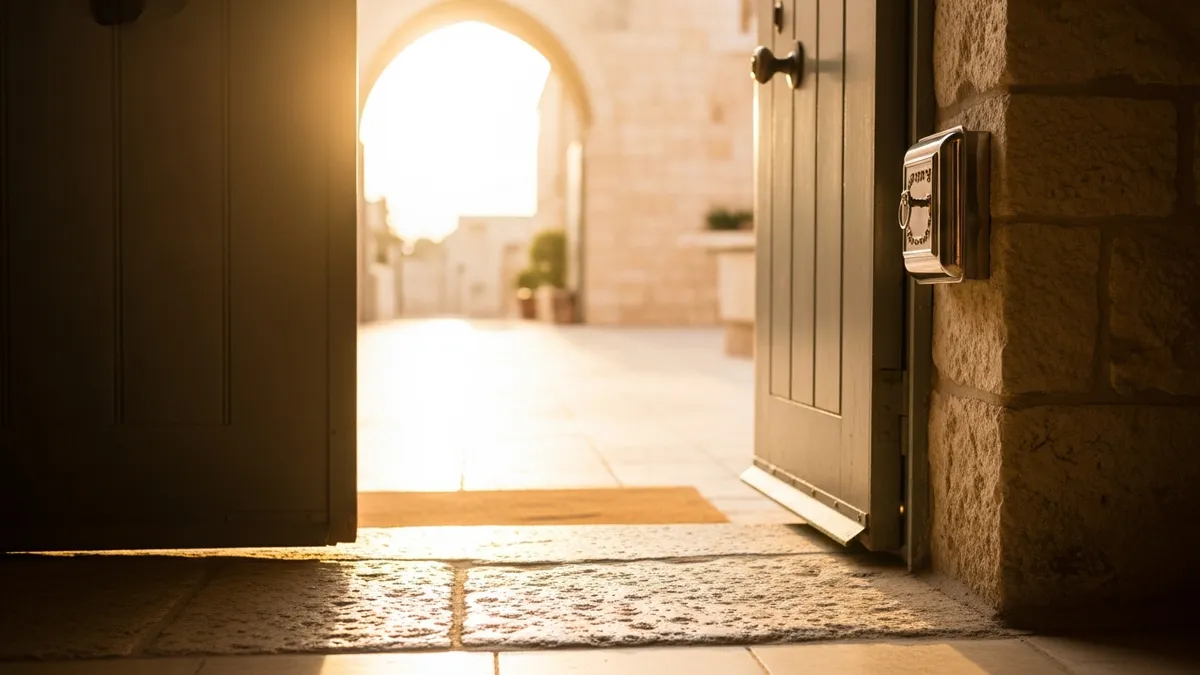
Yes. There is no rule against interacting with non-Jews. Here's where the perception comes from and what the actual social dynamics look like.
Quick Answer
Absolutely yes. There is no Jewish law prohibiting interaction with non-Jews. Orthodox Jews work with, live alongside, and maintain friendships with non-Jewish people. Some insular Hasidic communities may appear standoffish, but this is cultural shyness and language barriers — not a prohibition. Judaism explicitly values ethical treatment of all people.
I get this question at least once a month, and it always surprises me — though it should not. If you live near a Hasidic neighborhood and the men in black hats do not make eye contact on the sidewalk, I understand why you might wonder.
The answer is simple: yes, Orthodox Jews are allowed to talk to you. There is no rule against it. There never has been.
Where the Perception Comes From
Several real factors create the impression of separateness:
Language. In some Hasidic communities (Satmar, Kiryas Joel, parts of Williamsburg), Yiddish is the first language. English proficiency varies. A man who seems unfriendly may simply not be confident enough in English for sidewalk small talk.
Gender norms. An Orthodox man may avoid casual conversation with a woman he does not know — not because she is non-Jewish, but because of modesty norms around opposite-gender interaction. This applies equally to Jewish women he does not know.
Social shyness. Communities that are internally tight-knit can appear closed from outside. This is not unique to Jews — any insular community (Amish, Mormon, immigrant enclaves) can feel impenetrable to outsiders. The barrier is social habit, not religious law.
Historical caution. Centuries of persecution have created deep cultural wariness. This is not about you personally — it is about institutional memory. Jewish communities that have been expelled, attacked, or discriminated against develop protective insularity.
What Jewish Law Actually Says
Jewish law (halacha) — the legal system at the heart of Orthodox Judaism — has extensive teachings about how to treat non-Jews:
- Dina d'malkhuta dina — "The law of the land is the law." Jews are obligated to follow civil law and respect their host country's legal system.
- Kiddush Hashem — "Sanctification of G-d's name." Jews are commanded to behave in ways that bring honor to Judaism in the eyes of others. Being rude, dishonest, or contemptuous toward non-Jews is a violation of this principle.
- Darkei shalom — "Ways of peace." The Talmud requires Jews to visit non-Jewish sick, bury non-Jewish dead, and support non-Jewish poor alongside Jewish ones — "for the sake of peace."
The religious framework explicitly mandates positive interaction with non-Jews. A Jew who is rude to a non-Jewish neighbor is violating Jewish law, not following it.
Modern Orthodox vs. Hasidic Interaction Styles
| Community | Typical interaction with non-Jews |
|---|---|
| Modern Orthodox | Fully integrated — non-Jewish coworkers, friends, neighbors are normal |
| Yeshivish | Professionally integrated, socially more insular |
| Chabad | Extremely welcoming — Chabad specifically engages with everyone, Jewish and non-Jewish |
| Satmar/insular Hasidic | More reserved socially, but professional interaction is normal |
Chabad deserves special mention: their entire mission is outreach. A Chabad rabbi will invite anyone — Jew or non-Jew — for a Shabbat meal, a conversation, a cup of coffee. They are the most actively welcoming branch of Orthodox Judaism.
What To Do If You Live Near Orthodox Jews
- Say hello. A "good morning" on the sidewalk is always appropriate. If they respond briefly, it is not rudeness — it is cultural reserve.
- Be a good neighbor. The same things that make any neighbor appreciate you: bring in their trash cans, wave hello, offer to help if they are carrying something heavy.
- Don't take silence personally. If a Hasidic man does not make eye contact with you (especially if you are a woman), it is about his personal practice, not about you.
- Accept invitations. If your Orthodox neighbor invites you for a Shabbat meal, they mean it. Say yes.
We are allowed to talk to you. Most of us want to. Some of us are just quieter about it than others. And yes, you can even ask us the big questions — like what Orthodox Jews think about Jesus — respectful curiosity goes both ways.
I'm an Orthodox Jewish woman from Brooklyn. I can't speak for every Orthodox Jew — when I write outside my experience, I say so.
What is Orthodox Judaism? A Complete Guide
Visiting an Orthodox Jewish Community: Etiquette Guide
Orthodox Jewish Neighborhoods: Brooklyn, Lakewood & Beyond
Are Orthodox Jews Like the Amish?
Partway in, or just curious?
If you're in an interfaith relationship, have Jewish ancestry, or are quietly exploring deeper engagement, there's a separate page for you.
The Orthodox Insider
A new letter every Thursday, before Shabbos — plus an instant download of “10 Things Everyone Gets Wrong About Orthodox Jews” when you subscribe.
No spam, unsubscribe anytime.