Surprising Kosher Questions — Gelatin, Beer, Candy & More
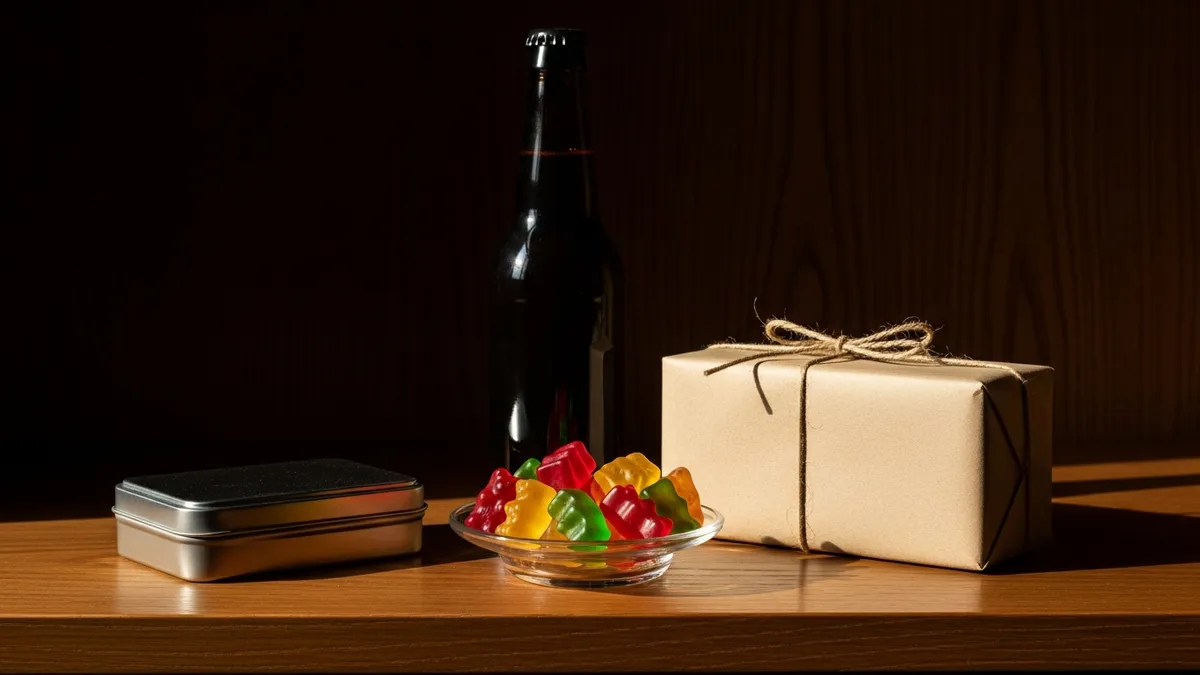
Kosher questions about gelatin, vitamins, beer, chocolate, and candy explained. Learn why these everyday products need a reliable kosher symbol.
Quick Answer
Many everyday products have hidden kosher concerns. Gelatin often comes from non-kosher animals, vitamins may contain non-kosher capsules, beer is generally kosher but flavored varieties need certification, and chocolate and candy frequently contain non-kosher ingredients like animal fats and gelatin. Always check for a reliable hechsher (kosher symbol).
One of the things that surprises people most about keeping kosher is how many seemingly simple products turn out to have hidden issues. Chocolate? Not as straightforward as you would think. Gummy bears? Definitely problematic. Beer? Usually fine, but not always. Vitamins? It depends on the capsule.
In my years of keeping a kosher kitchen, I have learned that the question "Is this kosher?" applies to far more products than most people realize. Let me walk you through some of the most common surprises.
Gelatin: The Hidden Ingredient
Gelatin is one of the biggest kashrut challenges in modern food. It is a colorless, tasteless substance derived from the collagen found in the skin and bones of animals. You will find it in candy, marshmallows, gelatin desserts, pies, yogurt, and many other products.
Here is the problem: roughly 44 percent of the world's gelatin comes from pig skin. For anyone keeping kosher, that is an immediate disqualifier. But even gelatin from bovine (cow) sources raises concerns — the animal must have had a proper shechita (ritual slaughter) for the gelatin to be considered kosher.
And there is another layer: if the gelatin is from a meat source and it ends up in a dairy product like yogurt, you now have a meat-and-dairy combination, which is forbidden.
Kosher Gelatin Alternatives
So what do kosher food manufacturers use instead? Several options exist:
- Fish gelatin — Made from deep-sea fish bones, this is the most common source for kosher gelatin. It is considered pareve (neutral), meaning it can be used in both meat and dairy products.
- Agar-agar — A plant-based alternative derived from seaweed, widely used in kosher and vegan cooking.
- Pectin — A fruit-based gelling agent.
- Guar gum, carrageenan, and other plant-based thickeners — All generally kosher, though production methods still make certification important.
When I buy yogurt for my family, I always check that any gelatin listed is from a kosher source. The hechsher on the package tells me that someone has verified this. Kosher gelatin in yogurt keeps the texture creamy and prevents fruit from sinking to the bottom — same function as regular gelatin, just from an acceptable source.
Vitamins and Supplements
This is one that catches a lot of people off guard. Most vitamin capsules are made from gelatin — which, as we just discussed, is often derived from non-kosher animals. The gel coating that makes pills easy to swallow can be the very thing that makes them problematic from a kashrut standpoint.
Are There Leniencies for Medicine?
Yes, actually. Halacha recognizes that someone who is sick may have different rules regarding non-kosher ingredients in medicine. Many medications have an unpleasant taste and are not meant to be consumed as food, which may make them permissible even if they contain non-kosher components. However, this is a nuanced area of Jewish law, and the specifics depend on the situation. It is always best to consult with your local Orthodox rabbi.
For vitamins and supplements — which are taken for general health rather than to treat illness — the rules are stricter. Most observant families I know buy vitamins with kosher certification to avoid the issue entirely.
Kosher Gelatin in Vitamins
Kosher vitamin capsules are typically made from either fish-based gelatin or vegetarian gelatin substitutes like cellulose. When asking what kosher gelatin in a vitamin is made of, the answer is usually deep-sea fish bones (considered pareve) or a plant-based alternative like agar-agar, guar gum, or carob bean extract.
Some kosher vitamin capsules are made from kosher beef gelatin, which would make them fleishig (meaty). This is important to know if you take your vitamins with a dairy meal — a meaty capsule with a glass of milk would be a problem.
Pesach Considerations
During Pesach, additional restrictions apply. Chametz (fermented grain products) is strictly forbidden, and many vitamins and supplements may contain chametz-based ingredients or fillers. Pills that are swallowed whole are generally treated more leniently than chewable vitamins, but this is definitely a question for your rav. Many kosher vitamin companies produce special Pesach-certified formulations.
Beer: The Good News
Here is some welcome news: most unflavored beer is considered kosher, even without certification. Beer is made from water, barley, yeast, and hops — all inherently kosher ingredients. Most beers produced in the United States, Germany, England, and Norway are kosher.
Popular brands that are widely accepted as kosher include Samuel Adams, Coors, and many craft breweries. If you enjoy a cold beer, you are generally in the clear.
When Beer Needs Certification
The exception is flavored beers and stouts, which may contain additives that are not kosher — flavorings, colorings, or processing aids that could be problematic. These need a hechsher. The tricky part is that a beer can contain flavorings without clear labeling, so if you are uncertain, look for certification or stick with straightforward, unflavored varieties.
Beer and Pesach
There is one time of year when even kosher beer is completely off the table: Pesach. Beer is made from fermented grain — the very definition of chametz. No beer, no exceptions, for the full eight days of the holiday (seven in Israel). Liquor made from grain is similarly forbidden during Pesach.
A Note on Wine and Liquor
Wine has a completely different status from beer in Jewish law. Because wine was historically used in pagan worship, grape products carry strict requirements — kosher wine must be handled by Shabbat-observant Jews from crush to bottling. The one exception is wine that is mevushal (flash-pasteurized): once it has been cooked, it may be handled by anyone without losing its kosher status, which is why kosher restaurants and caterers so often use mevushal wine. This is why you will always see kosher certification on wine and grape juice, and why these rules are much more stringent than for beer.
Liquor (blended and flavored alcoholic beverages) always needs certification. The base alcohol may be grape brandy, the flavorings might contain non-kosher ingredients, and glycerin — a common sweetener and emulsifier — is often made from animal fat. Kosher liquors that contain dairy will say so on the hechsher, and they cannot be served at a meat meal.
And yes, in case you are wondering — on Purim, there is a well-known teaching from the Talmud (Megillah 7b) that one should drink until one cannot distinguish between "Cursed is Haman" and "Blessed is Mordechai." It is one of the more colorful minhagim in Jewish life.
Chocolate: Not as Simple as You Would Think
I love chocolate — who does not? But chocolate has its own kashrut complexities that go beyond what most people expect.
How Chocolate Is Made
Cacao beans are dried, roasted, and ground into what is called chocolate liquor (which contains no actual alcohol). This can be processed into cocoa powder, baking chocolate, or the candy we all enjoy. To make milk chocolate, the chocolate liquor is combined with sugar, whole milk solids, and cocoa butter, plus an emulsifier to create a smooth texture.
Why Chocolate Needs Certification
Several issues can arise:
- Non-kosher fats: Some manufacturers use animal fats instead of cocoa butter to reduce costs. These fats may come from non-kosher animals.
- Dairy contamination: Even dark chocolate — which should theoretically be dairy-free — may contain traces of milk from shared production equipment. For someone who keeps kosher, unknowingly eating dairy chocolate after a meat meal would be a serious problem.
- Equipment issues: When a factory produces both dairy and pareve chocolate, the heated equipment cannot simply be kashered with water (water and chocolate production do not mix well). This makes it especially important that the production process is properly supervised.
- Pesach concerns: Soy lecithin, a common emulsifier in chocolate, is considered kitniyot — and Ashkenazi Jews do not eat kitniyot during Pesach. Kosher-for-Pesach chocolate uses alternative emulsifiers.
The bottom line: always look for a hechsher on your chocolate, and pay attention to whether it is marked dairy or pareve.
Candy: Every Ingredient Matters
Candy is another category where a surprising number of kashrut issues hide. It seems innocent enough — sugar, flavoring, maybe some fruit. But modern candy manufacturing involves ingredients that require careful scrutiny.
Common Problems with Candy
- Gelatin: Found in gummy bears, marshmallows, and many chewy candies. Unless it is from a kosher source, it makes the candy non-kosher.
- Fats and emulsifiers: May be derived from non-kosher animals.
- Colorings and flavorings: Can come from non-kosher sources.
- Dairy ingredients: Must be noted on kosher certification so the candy is not eaten with meat.
- Equipment: If the same machines produce kosher and non-kosher candies, or dairy and pareve candies, cross-contamination is a concern.
Nuts: A Common Surprise
Raw, unprocessed nuts generally do not need kosher certification. But the moment those nuts are roasted, seasoned, or flavored, certification becomes necessary. Roasted nuts are commonly processed with oils or even gelatin, and seasonings may contain non-kosher ingredients.
Kosher Coke and Soft Drinks
Even soft drinks can have kashrut considerations. Regular Coca-Cola is made with high-fructose corn syrup, which is derived from corn — a kitniyot ingredient that Ashkenazi Jews avoid during Pesach. Special Passover runs of Coca-Cola are produced each year using cane sugar instead of corn syrup, and these carry specific Pesach certification. You can usually find them with a yellow cap in stores before the holiday.
The Takeaway: When in Doubt, Check the Label
If there is one message I want you to take from all of this, it is that kashrut is not just about avoiding pork and shellfish. It reaches into every corner of modern food production — into your vitamin cabinet, your candy dish, your beer fridge, and your chocolate stash.
But here is the beautiful thing: the system works. Kosher certification agencies employ experts who understand food science, chemistry, and halacha. They go into the factories, inspect the ingredients, verify the equipment, and give their seal of approval. All I have to do is look for that little symbol on the package.
In my home, checking the hechsher is as automatic as checking the expiration date. My children do it instinctively. It is not burdensome — it is just part of how we shop, how we eat, and how we live as Torah-observant Jews. And honestly, knowing that someone knowledgeable has verified every ingredient in the food my family eats gives me a sense of confidence and peace that I would not trade for anything.
Common Questions
How do I know if a product is kosher? Look for a kosher certification symbol on the packaging — OU (most common), OK, Star-K, Kof-K, or other recognized agencies. No symbol means the product has not been certified.
Are most supermarket products kosher? Many are — you would be surprised how many common brands carry kosher certification. Most major candy bars, chips, cereals, and beverages are certified. Check the package for the symbol.
Why do products need kosher certification? Even seemingly simple products can contain non-kosher ingredients (animal-derived gelatin, wine-based flavoring, dairy in unexpected places) or be made on equipment shared with non-kosher products.
I'm an Orthodox Jewish woman from Brooklyn. I can't speak for every Orthodox Jew — when I write outside my experience, I say so.
What is Kosher? The Complete Guide to Jewish Dietary Laws
Kosher Sign Guide: How to Read Kosher Symbols on Food
Kosher Laws — A Complete Guide to the Rules of Kashrut
Kosher Catering: Everything You Need to Know
Want to keep reading about kosher?
The full site covers kosher laws, symbols, and specific foods. Or if you're a professional working with Orthodox Jewish clients on food — there's a specific guide for that.
The Orthodox Insider
A new letter every Thursday, before Shabbos — plus an instant download of “10 Things Everyone Gets Wrong About Orthodox Jews” when you subscribe.
No spam, unsubscribe anytime.