What Do Orthodox Jews Eat?
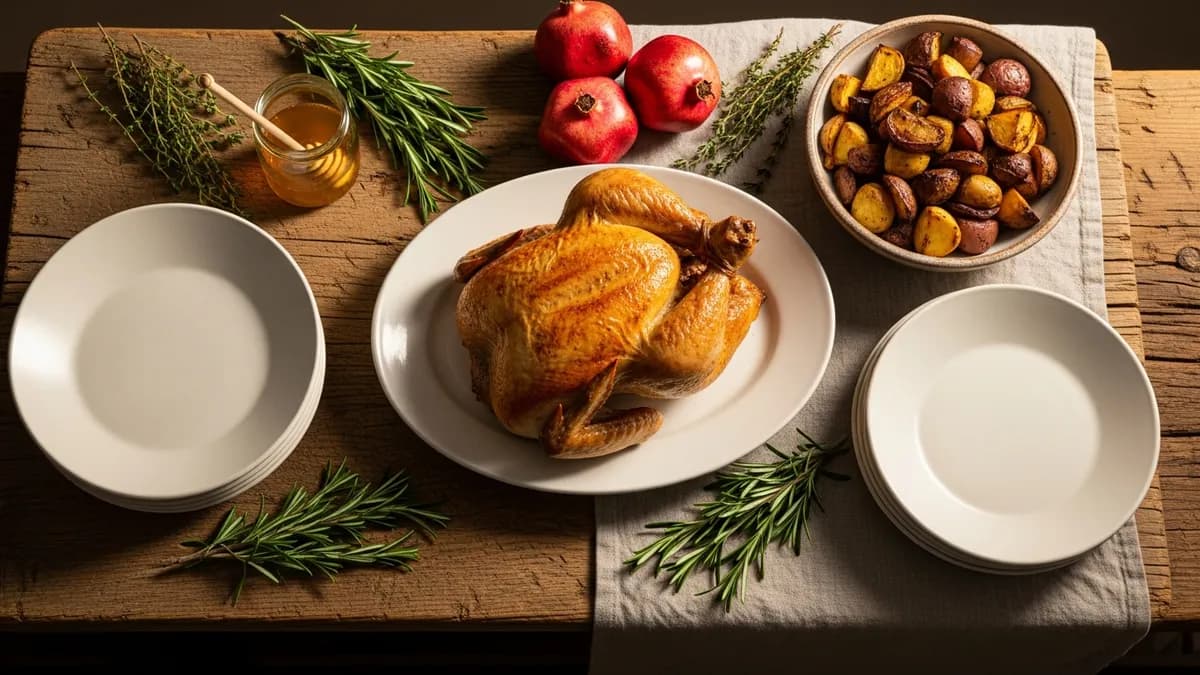
A guide to the Orthodox Jewish diet, including kosher laws, common foods, and how dietary restrictions shape daily meals and cooking.
Quick Answer
Orthodox Jews eat kosher food — meat from specific animals slaughtered properly, no mixing of meat and dairy, only fish with fins and scales, and all processed foods must be rabbinically certified. Common foods include challah, cholent, gefilte fish, kugel, and dishes from diverse Jewish cultural traditions.
What Do Orthodox Jews Eat?
Orthodox Jews eat everything that's kosher — which is actually a lot more diverse and delicious than most people imagine. The kosher dietary system has rules, but within those rules, the food world is wide open.
The direct answer: Orthodox Jews eat meat, poultry, fish, dairy, vegetables, fruits, grains, and prepared foods — all subject to kosher laws. These laws govern which animals are permitted, how meat is prepared, the separation of meat and dairy, and supervision requirements for processed foods.
The Basic Kosher Rules
Meat
- Only animals with split hooves that chew their cud (cows, sheep, goats, deer)
- Poultry from specific domesticated species (chicken, turkey, duck, goose)
- Must be slaughtered by a trained shochet using a specific method
- Blood must be fully removed through salting and soaking
- Certain fats (chelev) and the sciatic nerve are removed
Dairy
- Must come from kosher animals
- Cannot be eaten with meat — separate dishes, utensils, and wait times between meals
- Many families require cholov Yisroel (Jewish-supervised milking)
Fish
- Must have fins and scales
- Salmon, tuna, cod, tilapia — all fine
- Shellfish (lobster, shrimp, crab) — not kosher
- Catfish, swordfish — debated (most Orthodox authorities prohibit them)
Everything Else
- Fruits, vegetables, grains, and legumes are inherently kosher
- Produce must be checked for insects (which are not kosher)
- Foods that are neither meat nor dairy — eggs, produce, grains — are called pareve and can be served with either
- Processed foods need reliable kosher certification (hechsher)
- Wine and grape products require special kosher supervision
A Day of Eating
Here's what a typical day might look like in an Orthodox home:
Breakfast: Cereal with milk, eggs, toast, yogurt, oatmeal — pretty normal. Since breakfast is usually dairy or pareve (neutral), it's the most "regular" meal of the day.
Lunch: Could be dairy (pizza, pasta with cheese, tuna sandwiches) or meat (deli sandwiches, leftover chicken). If it's a meat lunch, no cheese, no butter, no milk in the coffee.
Dinner: Often a meat meal — roasted chicken, grilled steak, meatballs, schnitzel. Served with rice, vegetables, salad, potatoes. Because dinner is a meat meal, dessert is pareve (no dairy) — fruit, pareve cookies, or non-dairy treats.
Classic Jewish Foods
While Orthodox Jews eat everything from sushi to tacos (kosher versions, of course), certain foods are deeply woven into Jewish food culture:
- Challah: Braided bread eaten on Shabbat and holidays
- Cholent: A slow-cooked Shabbat stew of meat, beans, potatoes, and barley
- Gefilte fish: Ground fish patties or loaf, traditional for Shabbat and holidays
- Kugel: A baked pudding, either noodle or potato
- Matzo ball soup: Chicken soup with dumplings made from matzo meal
- Rugelach: Filled pastry crescents
- Brisket: Slow-cooked beef, a holiday staple
Sephardic and Ashkenazi Differences
Jewish food culture splits broadly into Ashkenazi (Eastern European) and Sephardic (Mediterranean/Middle Eastern) traditions:
Ashkenazi foods tend toward hearty, cold-weather fare — brisket, potato kugel, gefilte fish, kishke, cholent.
Sephardic foods are often lighter and more spiced — rice dishes, stuffed grape leaves, shakshuka, burekas, lamb with dried fruits, couscous.
In modern Orthodox communities, especially in Israel and diverse American neighborhoods, these traditions blend beautifully. My Shabbat table might feature Ashkenazi challah, Moroccan fish, and a Persian rice dish. The kosher world is deliciously multicultural.
Eating Out
Eating out as an Orthodox Jew means finding kosher restaurants or ordering items that are inherently kosher at regular restaurants. In cities like New York, there are hundreds of kosher restaurants covering every cuisine — Italian, Chinese, Japanese, Mexican, Indian, steakhouses, and more.
Outside major Jewish population centers, options narrow. Many Orthodox Jews on the road rely on salads at regular restaurants (no meat, no cheese, just vegetables — though even this has halachic nuances), packaged kosher foods from supermarkets, or simply bringing food from home.
The kosher food industry has exploded in recent decades. Between specialty stores, mainstream supermarkets with kosher sections, and online ordering, keeping kosher is more convenient than ever.
The Spiritual Dimension
Eating in Judaism isn't just about nutrition — it's about elevating the physical to the spiritual. Every meal begins with a blessing and ends with grace after meals. The rules themselves transform eating from a biological necessity into an act of consciousness and connection.
When you sit down at a kosher table, you're participating in a system that's been shaping Jewish meals for thousands of years. That's not just food — that's heritage.
Want to learn more? Read our full guide on what kosher means or explore the kosher diet in detail.
Common Questions
Can Orthodox Jews eat at non-kosher restaurants? Most will not, because even vegetarian dishes are prepared on surfaces and with utensils that have been used for non-kosher food. Some Modern Orthodox Jews eat cold salads at non-kosher restaurants, but this is debated.
What do Orthodox Jews eat on Shabbat? Shabbat meals are the highlight of the week — challah, cholent, chicken soup, roasted meats, salads, and elaborate desserts. All cooking is done before Shabbat and kept warm on a blech or hotplate.
Can Orthodox Jews eat ice cream? Yes, as long as it has kosher certification. The main issue is that dairy ice cream can't be eaten until the waiting period after a meat meal has passed — commonly six hours, though some communities wait three hours or one, depending on their minhag. Many Orthodox families keep kosher pareve (non-dairy) ice cream in the freezer for after meat meals.
What do Orthodox Jews eat during Passover? During the 8 days of Passover, all leavened grain products (bread, pasta, cereal, beer) are forbidden. The diet centers on matzah, meat, fish, vegetables, fruits, and Passover-certified products.
Is kosher food more expensive? Generally yes — kosher certification, supervised production, and specialized slaughter add costs. Kosher meat is typically 30–50% more expensive than non-kosher equivalents. Families manage through bulk buying, community co-ops, and creative cooking.
I'm an Orthodox Jewish woman from Brooklyn. I can't speak for every Orthodox Jew — when I write outside my experience, I say so.
What is Kosher? The Complete Guide to Jewish Dietary Laws
Eating Kosher — A Practical Daily Guide
Kosher Laws — A Complete Guide to the Rules of Kashrut
Orthodox Jewish Diet Restrictions: The Complete List
Want to keep reading about kosher?
The full site covers kosher laws, symbols, and specific foods. Or if you're a professional working with Orthodox Jewish clients on food — there's a specific guide for that.
The Orthodox Insider
A new letter every Thursday, before Shabbos — plus an instant download of “10 Things Everyone Gets Wrong About Orthodox Jews” when you subscribe.
No spam, unsubscribe anytime.