Do Orthodox Jews Drink Alcohol?
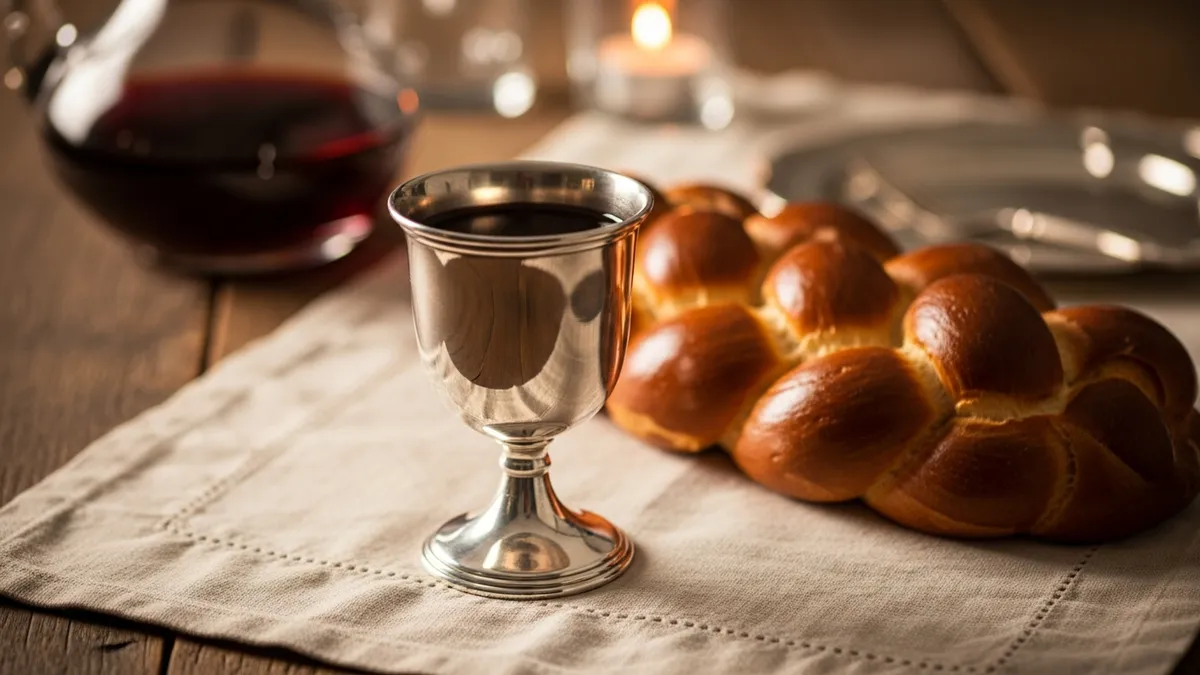
Learn about the Jewish approach to alcohol, when drinking is encouraged, what limits exist, and the role of wine in Jewish ritual and celebration.
Quick Answer
Yes, Orthodox Jews drink alcohol, and wine plays an important role in Jewish ritual — Shabbat kiddush, Passover, weddings, and holidays all involve wine. However, Judaism strongly discourages drunkenness. Moderation is the guiding principle, with the notable exception of Purim celebrations.
Do Orthodox Jews Drink Alcohol?
Short answer: yes, Orthodox Jews drink alcohol. In fact, wine is deeply woven into Jewish religious life. But the relationship with alcohol in Judaism is nuanced — it's valued as a tool for sanctification while carefully guarded against excess.
Wine in Jewish Ritual
Wine (yayin) holds a special status in Jewish practice. Here's where it appears:
- Kiddush: Every Shabbat and holiday begins with a blessing over wine, sanctifying the day. This happens Friday night, Saturday morning, and on every major holiday.
- Havdalah: The ceremony ending Shabbat also uses wine.
- Passover Seder: Four cups of wine are required — not optional — at the Seder.
- Weddings: The ceremony includes blessings over wine under the chuppah.
- Bris milah: Wine is given to the baby during circumcision.
- Sheva brachos: The week of post-wedding celebrations involves blessings over wine at each meal.
The Talmud, discussing the joy of a festival, teaches that since the Temple's destruction joy is fulfilled through wine — ein simcha ela b'yayin, "there is no joy except with wine." It reflects the view that wine is the drink of celebration and sanctification. Grape juice is an acceptable substitute, but wine is the ideal.
Kosher Wine Requirements
Not just any wine qualifies. Kosher wine must be:
- Produced under rabbinic supervision from start to finish
- Handled only by Sabbath-observant Jews during production (for non-mevushal wine)
- Free of non-kosher processing agents (some wines use gelatin or casein for fining)
The kosher wine industry has exploded in recent decades. Gone are the days when Manischewitz was the only option. Today, you can find excellent kosher wines from Israel, California, France, Italy, and beyond. The quality rivals anything in the general wine market.
What About Hard Liquor?
Whisky, vodka, and other spirits are common in Orthodox communities — particularly at celebrations. A l'chaim (toast, literally "to life") with schnapps or whisky is standard at an engagement party, a Shabbat kiddush, or after davening.
The Yeshivish and Chassidic worlds have a particular affinity for single-malt scotch. Walk into almost any yeshiva fundraiser or Shabbat kiddush and you'll find a respectable whisky selection. It's become something of a cultural phenomenon.
However, the kashrut of whisky has gotten more complex as craft distillers use wine and sherry casks for aging. These can render a whisky non-kosher, so many observant Jews stick to certified kosher brands or those with reliable information about their aging process.
The Purim Exception
Purim is the one day where drinking is not just permitted but encouraged. The Talmud (Megillah 7b) says a person should drink on Purim "until he doesn't know the difference between 'cursed is Haman' and 'blessed is Mordechai.'"
How literally this is taken varies:
- Some authorities take it at face value and encourage significant drinking
- Others say it means drinking a bit more than usual and then taking a nap (during which you literally "don't know" the difference because you're sleeping)
- Many communities have become increasingly cautious about Purim drinking, especially for teenagers and young adults
In recent years, many rabbis have spoken out against excessive Purim drinking, particularly after incidents of alcohol poisoning and dangerous behavior among young people. The trend is toward moderation even on Purim.
Judaism's View on Drunkenness
Outside of Purim, Judaism takes a dim view of drunkenness. The Torah includes cautionary examples:
- Noah planted a vineyard after the flood and became drunk, leading to shame (Genesis 9)
- Lot's drunkenness led to terrible consequences (Genesis 19)
- Nadav and Avihu, Aaron's sons, may have been intoxicated when they offered unauthorized incense and were killed (Leviticus 10)
The Rambam writes clearly: a person who gets drunk is a sinner and is disgraceful. A Torah scholar who becomes drunk is doubly culpable. The ideal is to drink enough to be joyful, not enough to lose control.
Community Awareness
Orthodox communities have become increasingly open about addressing alcohol abuse. Organizations like JACS (Jewish Alcoholics, Chemically Dependent Persons and Significant Others) serve the frum community specifically. Rabbis are more willing to address addiction from the pulpit, and the stigma around seeking help has decreased.
The open availability of alcohol at virtually every Jewish gathering — kiddushim, weddings, holiday meals — creates a unique challenge for those struggling with alcohol. Communities are working to balance tradition with awareness, ensuring that the ritual use of wine doesn't become a gateway to problems.
The Balance
Judaism's approach to alcohol mirrors its approach to many physical pleasures: elevate, don't eliminate. Wine is sanctified through blessings and used for holy purposes. Drinking is channeled toward celebration and gratitude. Excess is discouraged while enjoyment is embraced.
It's a mature, realistic framework — not prohibitionist, not permissive, but thoughtfully balanced.
Want to learn more? Read about kosher food laws or explore Shabbat observance.
I'm an Orthodox Jewish woman from Brooklyn. I can't speak for every Orthodox Jew — when I write outside my experience, I say so.
What is Kosher? The Complete Guide to Jewish Dietary Laws
Shabbat — The Jewish Day of Rest Explained
Kosher Laws — A Complete Guide to the Rules of Kashrut
Kosher Catering: Everything You Need to Know
Want to keep reading about kosher?
The full site covers kosher laws, symbols, and specific foods. Or if you're a professional working with Orthodox Jewish clients on food — there's a specific guide for that.
The Orthodox Insider
A new letter every Thursday, before Shabbos — plus an instant download of “10 Things Everyone Gets Wrong About Orthodox Jews” when you subscribe.
No spam, unsubscribe anytime.