What Is a Gemach? Jewish Interest-Free Loans and Chesed
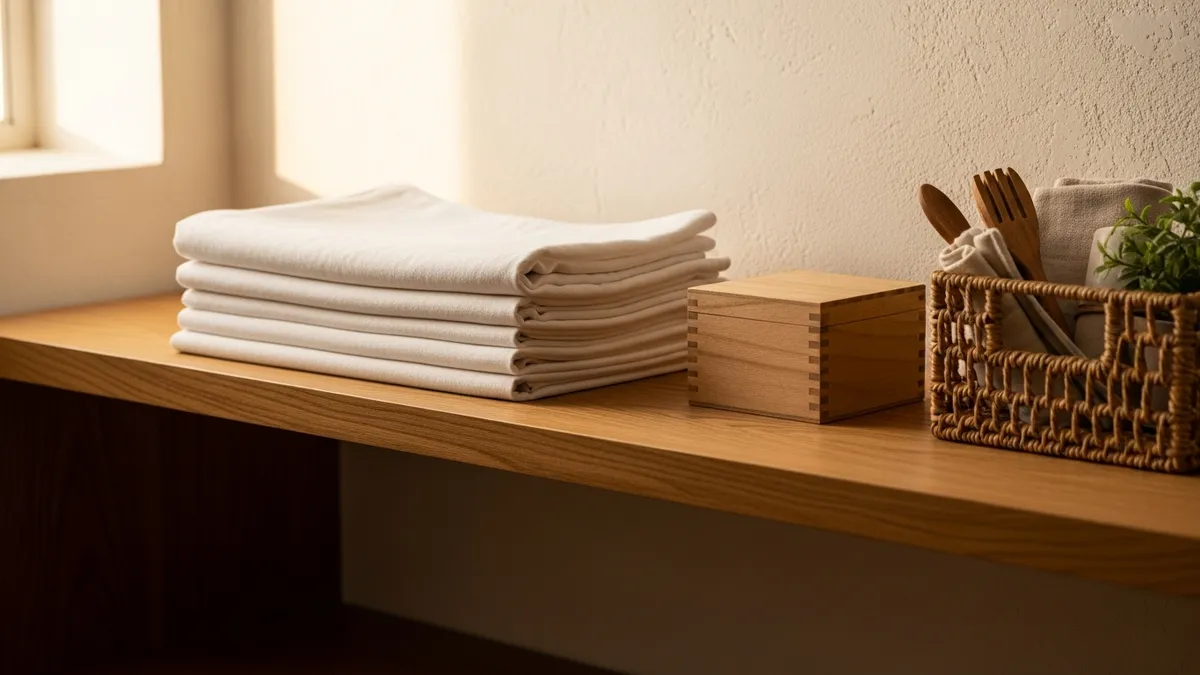
A gemach is the Orthodox Jewish system of interest-free loans and free goods. Learn how this Torah-based tradition offers real help with no interest, no catch.
Quick Answer
A gemach (short for gemilut chasadim, 'acts of lovingkindness') is a Jewish voluntary organization that lends money or goods at no cost. Money must be repaid and goods must be returned, but there is never any interest charged. Gemachs exist in every Orthodox community and provide help for everything from wedding expenses to baby equipment.
Let me tell you something personal. When I bought my house, I needed help with an extra $20,000 for the down payment. I went to my local community gemach and within 24 hours I had a loan for $10,000. No interest. Small $200 monthly payments. Everything with a smile.
So what did I do with the remaining $10,000 I still needed? I went to a different gemach, and the same story played out again. Both gemachs fully agreed that I could go to another one to cover the rest. No competition, no jealousy — just people helping people.
This is just one personal story out of millions. And it captures something essential about Orthodox Jewish community life.
What Is a Gemach?
The word "gemach" is an acronym for "gemilut chasadim" — acts of lovingkindness. A gemach is a Jewish voluntary organization that serves people in need by lending money or goods at no cost. Money borrowed must be repaid, and goods borrowed must be returned, but there is never any interest charged. Ever.
Why no interest? Because the Torah explicitly forbids it. The Torah states that when lending money within the Jewish community, the lender shall not act as a creditor and shall not impose any interest upon the borrower. The Hebrew word for interest — neshech — actually means "bite." Because interest bites. It starts small and grows until it swallows you whole.
This prohibition is taken so seriously that it does not only apply to the lender. The borrower is also forbidden from offering to pay interest. Even the witnesses who sign the loan document and the person who writes up the contract are forbidden from being involved in any usurious arrangement. That is how strictly the Torah views this matter.
How Gemachs Work
Gemachs come in all sizes. Some are small neighborhood funds that can lend a few hundred dollars instantly — you walk in, explain your need, and walk out with cash the same day. Others are large organizations that can lend tens of thousands or even hundreds of thousands of dollars interest-free.
For smaller loans, the process is usually simple and quick. For larger amounts, the gemach may take a day or two to verify the borrower's situation and get references from friends or a rabbi. But even the largest loans are processed with remarkable speed and warmth.
The borrower typically signs a simple agreement and may need to provide one or two guarantors — people who agree to cover the loan if the borrower cannot repay. Repayment terms are flexible and designed to be manageable.
Not Just Money
Here is something that makes the gemach system even more remarkable: gemachs do not just lend money. There are gemachs for almost everything you can imagine:
- Wedding gemachs that lend wedding dresses, decorations, and centerpieces
- Baby equipment gemachs that lend cribs, strollers, and car seats
- Medical equipment gemachs that lend wheelchairs, walkers, and hospital beds
- Simcha (celebration) gemachs that lend tables, chairs, and tablecloths for events
- Clothing gemachs that distribute gently used clothing
- Food gemachs that provide meals for families going through difficult times
In many Orthodox communities, there is literally a gemach for every need. Had a baby and need a bassinet for three months? There is a gemach for that. Hosting a large Shabbos meal and need extra chairs? There is a gemach for that too. Everything is lent freely, with the expectation that it will be returned in good condition so the next family can use it.
Why This System Works
The gemach system works because it is built on Torah values that run deep in Orthodox Judaism. Lending money without interest is not just a nice thing to do — it is a mitzvah, a commandment from G-d. Helping a fellow Jew in need is considered one of the highest forms of chesed (kindness). Organizations like Chesed 247 carry this spirit forward, coordinating acts of chesed around the clock so that no one in the community has to face a difficult moment alone.
There is also a cultural element at play. In Orthodox communities, people know each other. There is trust, accountability, and a shared understanding that what goes around comes around. The person who borrows from the gemach today may be the one donating to it tomorrow. The system creates a cycle of giving and receiving that strengthens the entire community.
A Beautiful Part of Jewish Life
What I love most about the gemach system is how it dignifies the person receiving help. You are not accepting charity — you are taking a loan that you will repay. There is no shame in it. In fact, the Torah considers lending money to be an even greater mitzvah than giving charity, because a loan preserves the borrower's dignity.
Every time I think about how I got those two loans for my house — quickly, warmly, interest-free — I am reminded of how special this community is. The gemach system is one of those things that makes Orthodox Jewish life not just observant, but genuinely beautiful.
Common Questions
What is a gemach? A free-loan fund or resource-sharing organization run by community volunteers. The word comes from gemilut chasadim (acts of lovingkindness). Gemachim provide interest-free loans, medical equipment, wedding supplies, baby gear, and more.
How do gemachim work? A community member sets aside funds or collects items. People borrow what they need and return it (or repay the loan) when finished. No interest, minimal paperwork, based on trust. Some gemachim are run from living rooms; others are formal organizations.
How many gemachim exist? Thousands. A single Orthodox neighborhood may have dozens — for money, medical equipment, bridal gowns, furniture, baby items, Shabbat food, and more. They are the backbone of Orthodox mutual aid and one of the most beautiful aspects of community life.
I'm an Orthodox Jewish woman from Brooklyn. I can't speak for every Orthodox Jew — when I write outside my experience, I say so.
Partway in, or just curious?
If you're in an interfaith relationship, have Jewish ancestry, or are quietly exploring deeper engagement, there's a separate page for you.
The Orthodox Insider
A new letter every Thursday, before Shabbos — plus an instant download of “10 Things Everyone Gets Wrong About Orthodox Jews” when you subscribe.
No spam, unsubscribe anytime.