Kosher Wine: Everything You Need to Know
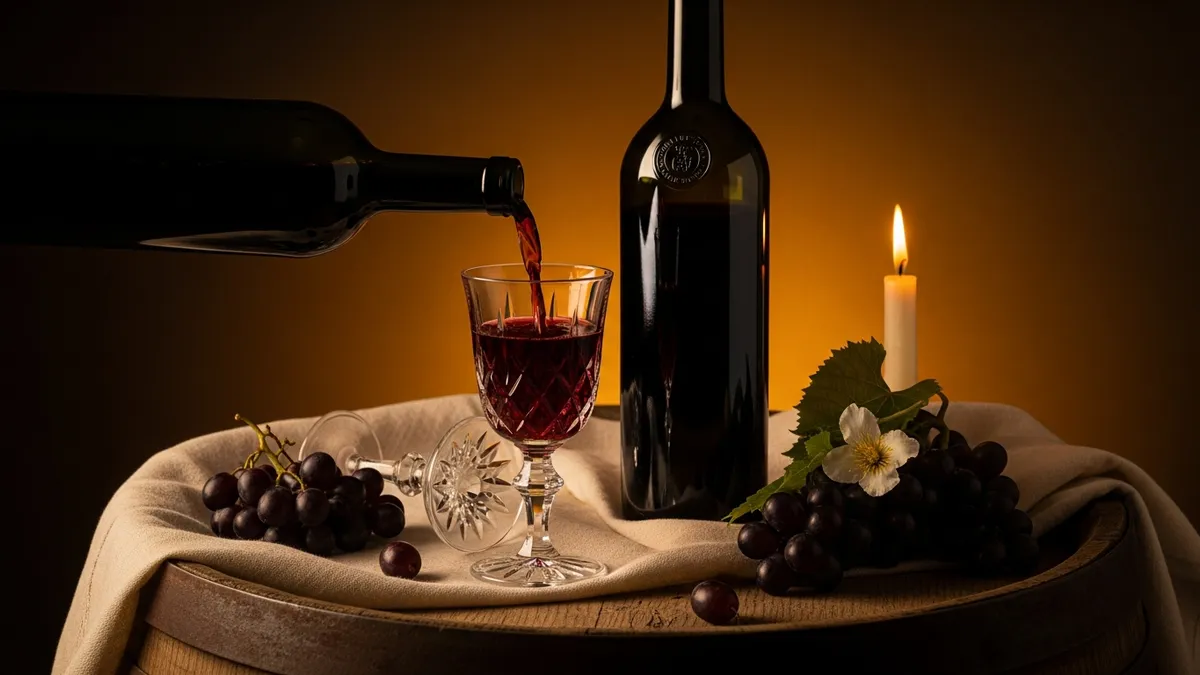
What makes wine kosher? The rules, the process, mevushal vs non-mevushal, and the best kosher wines available today.
Quick Answer
Kosher wine must be produced entirely by Sabbath-observant Jews, from grape crushing through bottling. All equipment must be kosher, and additives must be kosher-certified. Mevushal (flash-pasteurized) wine can be handled by anyone and remain kosher. Non-mevushal wine loses its kosher status if a non-Jew handles or pours the open wine.
Wine has a special status in Jewish law — more than any other food or drink. We use wine for kiddush every Shabbat, for the four cups at the Passover seder, at weddings, at a bris, and at havdalah. Wine is woven into nearly every significant Jewish moment. And because of that elevated role, the rules for making wine kosher are stricter than for almost anything else.
Why Wine Is Different
The extra restrictions on wine go back to the times of the Talmud. Wine was used in idol worship, and the rabbis were concerned that wine handled by non-Jews might have been dedicated to idolatrous purposes. Even though idol worship in the traditional sense is rare today, the halacha remains: wine must be produced and handled entirely by Sabbath-observant Jews to be considered kosher.
This applies specifically to grape products — wine and grape juice, anything made from actual grape must, are subject to these rules. (Artificial grape flavoring, like grape candy, is not — it just needs ordinary kosher certification.) Other alcoholic beverages (beer, whiskey, vodka) do not have the same restrictions, though they still need standard kosher certification for their ingredients.
The Production Process
For wine to be kosher:
Sabbath-observant Jews handle the grapes from crushing onward. The grapes themselves do not need special supervision while growing on the vine. But from the moment the grapes are crushed and the juice begins to flow, only shomer Shabbat (Sabbath-observant) Jews may handle the wine at every stage — crushing, fermenting, filtering, aging, and bottling.
All equipment must be kosher. Tanks, barrels, filters, and bottling equipment must not have been used for non-kosher wine. New equipment or properly kashered equipment is required.
All additives must be kosher. Fining agents (used to clarify wine) must be kosher — no gelatin derived from non-kosher sources, for example. Kosher alternatives include bentonite clay, egg whites, and kosher-certified isinglass.
Rabbinic supervision throughout. A mashgiach (kosher supervisor) oversees the entire production process.
Mevushal vs Non-Mevushal
This distinction matters a lot in practical terms.
Non-mevushal wine is wine that has not been flash-pasteurized. It is considered the higher-quality product (the pasteurization process can affect flavor). However, non-mevushal wine has a significant restriction: if someone who is not a Sabbath-observant Jew handles or pours the open wine, it loses its kosher status. The practical concern is a non-Jew pouring or touching the actual wine, not simply carrying or uncorking a sealed bottle.
This means that at a restaurant or catered event, if a non-Jewish waiter pours non-mevushal wine, it becomes non-kosher. Orthodox Jews who order non-mevushal wine at restaurants will typically ask to pour the wine themselves.
Mevushal wine has been flash-pasteurized (heated to a high temperature very briefly). After this process, the wine retains its kosher status regardless of who handles it. This makes mevushal wine much more practical for restaurants, caterers, and events where non-Jews may be serving.
Mevushal wine is common for restaurants, caterers, and large events, specifically for this reason — anyone can serve it. Much of the premium kosher market, including most top Israeli and boutique wines, is non-mevushal. But modern flash-pasteurization techniques have improved dramatically, and many mevushal wines are excellent quality.
The Quality Revolution
Kosher wine has undergone a dramatic transformation. Twenty years ago, the stereotype of kosher wine was Manischewitz — the sweet, syrupy concord grape wine that is still a staple at many Shabbat tables (and yes, some of us genuinely like it). Today, kosher wineries produce world-class wines that compete with the best in the industry.
Israeli wines have led this revolution. Wineries in the Golan Heights, Galilee, and Judean Hills are producing Cabernet Sauvignon, Merlot, Syrah, and Chardonnay that win international awards. Yarden, Barkan, Psagot, and Covenant are just a few names that wine enthusiasts recognize.
California, France, Italy, Australia, and Argentina all have kosher wine production as well. Some established non-kosher wineries have created kosher runs under rabbinical supervision.
Practical Guide
For Shabbat kiddush: Any kosher wine or grape juice works. Many families use grape juice for kids and wine for adults. Sweet wines are traditional for kiddush, but dry wines are perfectly acceptable.
For Passover: The wine must be kosher for Passover (no chametz-derived additives and produced with Passover supervision). Most kosher wines are also kosher for Passover, but check the label.
For a wine lover: Explore Israeli wines. The quality is extraordinary and improving every year. For a splurge, try a top-tier Yarden or Covenant Cabernet.
For cooking: Kosher cooking wine is available, but honestly, just use a good kosher wine. If it is not good enough to drink, it is not good enough to cook with.
The Blessing
Before drinking wine, we say the blessing: "Baruch Atah Hashem, Elokeinu Melech HaOlam, borei pri hagafen" — Blessed are You, L-rd our G-d, King of the Universe, Who creates the fruit of the vine.
Wine in Judaism is not about getting drunk (though Purim has its own rules). It is about sanctifying the moment — elevating an ordinary meal into something holy. That is why we raise the cup for kiddush every Friday night. That is why we drink four cups at the seder. The wine is not the point. The holiness is the point.
But I will admit — a good kosher Cabernet does not hurt.
Common Questions
Why does wine need special kosher certification? Wine historically was used in pagan worship, so Jewish law requires that kosher wine be produced, handled, and opened only by Sabbath-observing Jews. This restriction does not apply to beer or most other beverages.
What is mevushal wine? Mevushal means 'cooked' — the wine has been flash-pasteurized. Mevushal wine can be handled by anyone without losing its kosher status, making it practical for events with mixed guests.
Is kosher wine good? Yes — the kosher wine industry has transformed in recent decades. There are award-winning kosher wines from Israel, California, France, and beyond. The sweet Manischewitz of the past is just one small segment of a diverse market.
I'm an Orthodox Jewish woman from Brooklyn. I can't speak for every Orthodox Jew — when I write outside my experience, I say so.
Want to keep reading about kosher?
The full site covers kosher laws, symbols, and specific foods. Or if you're a professional working with Orthodox Jewish clients on food — there's a specific guide for that.
The Orthodox Insider
A new letter every Thursday, before Shabbos — plus an instant download of “10 Things Everyone Gets Wrong About Orthodox Jews” when you subscribe.
No spam, unsubscribe anytime.