The Orthodox Jewish Education System Explained
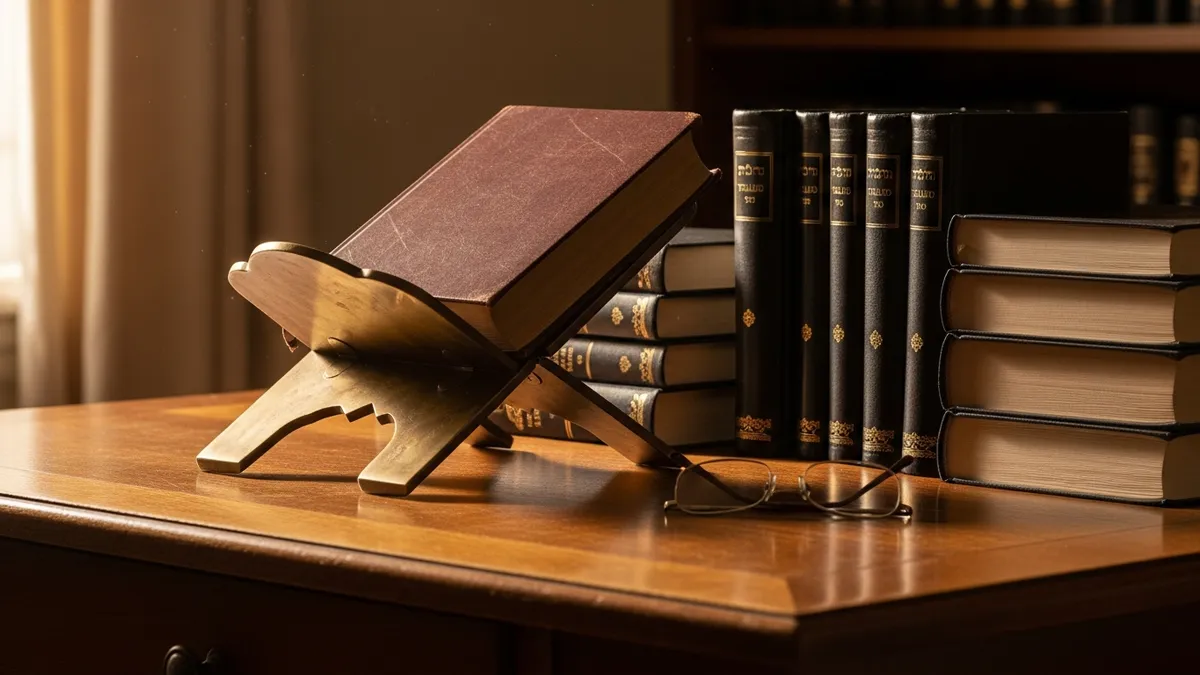
How Orthodox Jewish schools work — yeshiva, Bais Yaakov, day schools, kollelim, and the education path from preschool through adulthood.
Quick Answer
Orthodox Jewish education starts in preschool and continues for life. Boys attend yeshiva (Jewish school with intensive Torah study), girls attend Bais Yaakov or similar schools. Both include Jewish and secular studies in varying proportions. After high school, boys typically learn in yeshiva for several years, while girls attend seminary. Torah study is considered a lifelong obligation.
Education is not just important in Orthodox Jewish life — it is the foundation of everything. The very first thing a Jewish parent is obligated to do for a child, after providing food and shelter, is teach them Torah. And the educational system built to fulfill that obligation is unlike anything else in the world.
The Early Years
Orthodox children start their educational journey early. By age 3, many boys and girls are in some form of preschool or nursery program. For boys, age 3 often marks the beginning of formal Jewish learning — this is the traditional age for an upsherin (first haircut) and the start of learning the Hebrew alef-bet.
In Hasidic communities, boys may begin cheder (elementary school) at age 3, starting with the Hebrew letters and quickly progressing to reading and basic Torah study. In more modern communities, the preschool years look similar to mainstream early childhood education, with the addition of Hebrew, Jewish songs, and holiday-based learning.
Elementary School
Boys
Yeshiva ketana (elementary yeshiva): Boys study both Jewish subjects (Chumash/Torah, Mishnah, beginning Gemara/Talmud, Hebrew, Jewish history, halacha) and secular subjects (English, math, science, social studies). The balance between Jewish and secular studies varies significantly:
- Modern Orthodox day schools: Roughly equal time for Jewish and secular studies. Both are taken seriously, and the secular curriculum meets or exceeds state standards.
- Yeshivish schools: More time devoted to Jewish studies, with secular studies in the afternoon (sometimes called "English" time). The secular curriculum covers basics but is less comprehensive.
- Hasidic cheder: Heavy emphasis on Jewish studies. Secular studies may be minimal — a few hours in the afternoon, primarily math and English.
Girls
Bais Yaakov schools (for the Yeshivish and Hasidic world) or day schools (for Modern Orthodox) educate girls with a combination of Jewish and secular subjects. Interestingly, girls generally receive more secular education than boys in the Charedi world, partly because they are expected to enter the workforce to support their families while their husbands study Torah.
Girls study Chumash, Navi (Prophets), halacha, Jewish history, Hebrew language, and hashkafah (Jewish philosophy). They do not study Gemara in most Yeshivish and Hasidic schools. In many Modern Orthodox schools, girls do study Gemara — a relatively modern development. Rabbi Joseph B. Soloveitchik famously inaugurated Talmud study for women at Stern College in 1977, and institutions like Maimonides School and Drisha helped expand it.
High School
Boys
Yeshiva high school (mesivta): For Yeshivish and Hasidic boys, this is where Gemara (Talmud) study becomes the primary focus. Boys typically study Gemara for 6-8 hours a day, with other Jewish subjects and some secular studies. The intellectual rigor is intense — analyzing Talmudic arguments, studying Rashi and Tosafot commentaries, and developing the capacity for complex legal reasoning.
Modern Orthodox boys attend yeshiva high schools with full dual curricula — earning a high school diploma that qualifies them for university admission while maintaining serious Jewish studies.
Girls
Bais Yaakov high schools provide both Jewish and secular education, often with strong secular programs. Many girls take Regents exams (in New York) and earn standard high school diplomas. The Jewish studies continue to deepen, with an emphasis on halacha, hashkafah, and practical knowledge for building a Jewish home.
Post-High School
This is where the paths diverge most dramatically.
Boys
Modern Orthodox: Most spend a gap year (or two) at a yeshiva in Israel — an intense year of Torah study that many describe as transformative. They then attend university, often Yeshiva University, while continuing to study Torah.
Yeshivish: Many continue directly to beis midrash (advanced yeshiva), studying Gemara full-time for several years. Some learn until marriage and then continue in kollel (married men's study program). Others eventually transition to the workforce.
Hasidic: Similar to Yeshivish, with study continuing under the guidance of the community's rebbe and in the community's own yeshiva system.
Girls
Seminary: Most Orthodox girls attend a seminary for one or two years after high school — either in Israel or locally. Seminaries offer advanced Jewish studies and personal development. For Modern Orthodox women, seminary is often followed by university. For Yeshivish and Hasidic women, seminary may be followed by professional training (teaching, therapy, nursing) or directly by marriage.
Lifelong Learning
Here is what makes the Orthodox educational model truly distinctive: it never ends. Torah study is a lifelong obligation. Adult men attend daily shiurim (classes), study with a chavruta (study partner), and dedicate time before and after work to learning. Women attend classes, listen to lectures, and study on their own.
The Daf Yomi program — studying one page of Talmud per day — takes seven and a half years to complete the entire Talmud. Tens of thousands of people follow this program worldwide, and the Siyum HaShas (completion celebration) fills stadiums.
In the Orthodox world, education is not something you finish. It is something you do every day for the rest of your life. And that commitment — more than anything else — is what keeps the tradition alive.
Common Questions
Do Orthodox Jewish schools teach secular subjects? It varies. Modern Orthodox schools offer a full dual curriculum — Jewish studies in the morning and secular subjects (math, science, English, history) in the afternoon. Some Hasidic boys' schools have minimal secular education, which has been a subject of debate and regulatory action.
What is a Bais Yaakov school? Bais Yaakov is the network of girls' schools that grew out of Sarah Schenirer's movement (founded in 1917), serving primarily the Yeshivish world; many Hasidic communities run their own girls' schools, sometimes under the Bais Yaakov name and sometimes under their own. Girls study Torah, halacha, and Hebrew, and most Yeshivish girls' schools also provide a substantial secular curriculum, though the depth of secular studies in Hasidic girls' schools varies.
Do Orthodox Jews go to college? Many do — especially Modern Orthodox Jews. Yeshiva University is the flagship Orthodox university. In Hasidic and Yeshivish communities, men often prioritize yeshiva study, though professional education is increasingly common, especially in fields like accounting, IT, and healthcare.
I'm an Orthodox Jewish woman from Brooklyn. I can't speak for every Orthodox Jew — when I write outside my experience, I say so.
Why Orthodox Jews Separate Boys and Girls in School
What Is a Yeshiva? Inside the Orthodox Jewish Academy
What Is a Hasidic Jew? An Insider's Guide to Hasidic Judaism
Do Orthodox Jews Go to College?
Partway in, or just curious?
If you're in an interfaith relationship, have Jewish ancestry, or are quietly exploring deeper engagement, there's a separate page for you.
The Orthodox Insider
A new letter every Thursday, before Shabbos — plus an instant download of “10 Things Everyone Gets Wrong About Orthodox Jews” when you subscribe.
No spam, unsubscribe anytime.