Orthodox Jewish Music: Niggunim, Zemiros & Jewish Soul
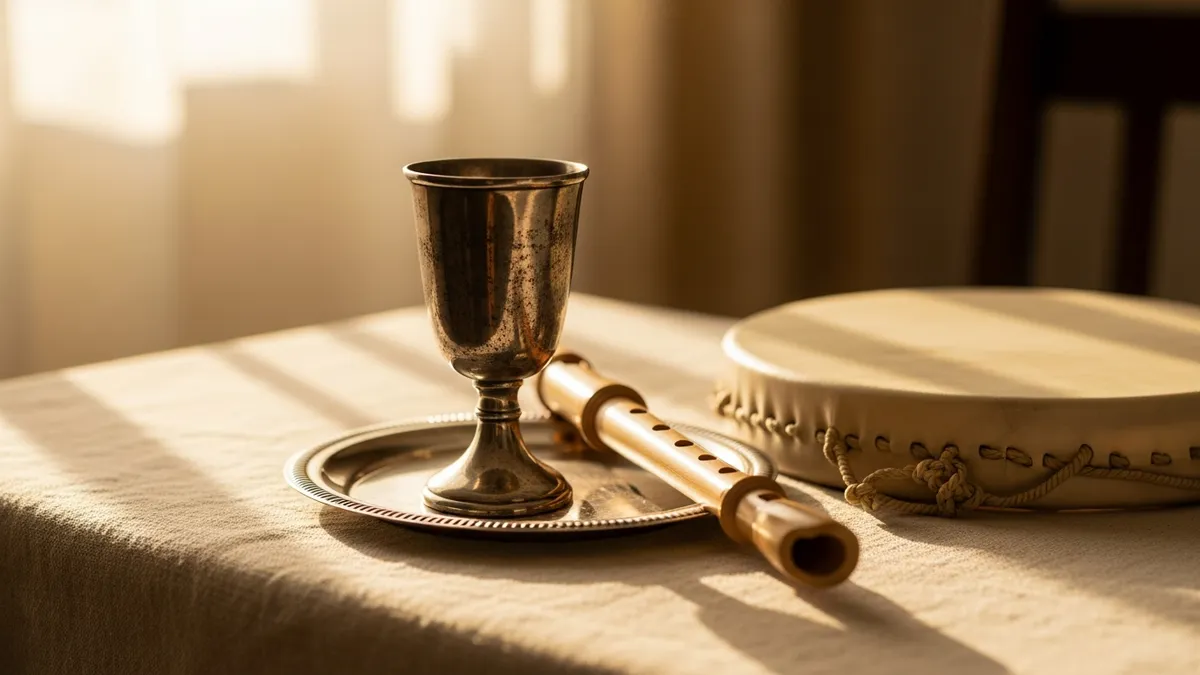
The world of Orthodox Jewish music — niggunim, Shabbat zemiros, Hasidic melodies, wedding music, and the role of song in Jewish spiritual life.
Quick Answer
Orthodox Jewish music ranges from Hasidic niggunim (wordless melodies) to Shabbat zemiros (table songs), wedding music, and contemporary Jewish pop. Music is central to prayer, celebration, and spiritual expression. During certain mourning periods, listening to live or recorded music is restricted, making its return all the more meaningful.
I once read that music is what feelings sound like. In Jewish life, that is literally true. We sing when we pray, when we celebrate, when we mourn, and when we eat. Music is not a performance — it is a language, and it is one of the primary ways Orthodox Jews connect to G-d and to each other, rooted in the foundations of Orthodox Judaism.
Niggunim: The Soul Without Words
A niggun (plural: niggunim) is a melody without words — just sounds, syllables like "bim bam bim" or "lai lai lai," repeated and deepened through singing. Niggunim are the heart of Hasidic musical tradition.
The Baal Shem Tov taught that a niggun can reach spiritual places that words cannot. When you strip away the words, what remains is pure emotion — longing, joy, devotion. A room full of people singing the same niggun creates a spiritual energy that is hard to describe but impossible to miss.
Different Hasidic groups have their own signature niggunim, passed down from their rebbes. A Chabad niggun sounds different from a Breslov niggun, which sounds different from a Modzitz niggun. The melodies carry the spiritual DNA of each community.
Zemiros: The Shabbat Table Songs
Every Shabbat meal includes zemiros — songs composed specifically for the Shabbat table. These songs, written by medieval poets and rabbis, praise G-d, celebrate Shabbat, and create an atmosphere of holiness.
Classic zemiros include:
- Shalom Aleichem — welcoming the Shabbat angels (Friday night)
- Eishet Chayil — Woman of Valor, sung by the husband to his wife
- Kah Ribon — an Aramaic hymn praising G-d's greatness
- Yom Zeh L'Yisrael — "This day is for Israel, light and joy"
- Tzur Mishelo — a song of thanksgiving for food
Every family has their favorite tunes. My kids each have a melody they insist on for specific zemiros, and negotiations can get spirited. The singing between courses stretches the meal longer, but nobody minds — the food can wait.
Wedding Music
If you have never been to an Orthodox Jewish wedding, you have not experienced Jewish music at its most intense. The band — typically including a singer, keyboard, guitar, drums, and sometimes brass — plays for hours. The energy on the dance floor is extraordinary.
Wedding music includes classic simcha songs, popular Jewish hits, and the ever-present hora. The highlight is the "first dance" (or really, the first several dances) — the bride and groom are lifted on chairs while the crowd dances in circles around them. The music drives the energy higher and higher.
In Hasidic weddings, the music tends to be more traditional — Hasidic melodies and niggunim. In Modern Orthodox weddings, you might hear a mix of Jewish and secular music (though many bands focus on Jewish songs).
Contemporary Jewish Music
The Jewish music industry has exploded in recent decades. Orthodox Jewish musicians produce albums, hold concerts (separate seating for men and women), and have devoted fan bases.
Notable artists and styles:
- Avraham Fried and Mordechai Ben David (MBD) — the two giants of Jewish pop music, with careers spanning decades
- Yaakov Shwekey — known for powerful, emotional songs
- Ishay Ribo — Israeli musician who has crossed over to mainstream Israeli audiences while maintaining deeply spiritual lyrics
- Zusha — a band blending Hasidic soul music with indie folk
- Breslov-style music — upbeat, joyful, often based on the teachings of Rebbe Nachman
A cappella groups (like the Maccabeats and Six13) have also gained popularity, offering music that can be enjoyed even during periods when musical instruments are restricted.
Music and Mourning
One of the most distinctive aspects of music in Orthodox life is when it is absent. During certain mourning periods — the three weeks before Tisha B'Av, part of the Sefirat HaOmer period (the weeks of counting the Omer between Passover and Shavuot, with customs varying as to which portion), and during personal mourning — listening to live music (and for many, recorded music) is prohibited.
This restriction makes the return of music all the more powerful. When the mourning period ends and music comes back, you appreciate it in a way that people who listen constantly never can.
Music in Prayer
Cantorial music (chazzanut) has a rich tradition in the Ashkenazi world. The chazzan (cantor) leads the congregation in prayer with melodies that range from hauntingly beautiful to jubilantly uplifting. On the High Holidays, the chazzan's role is especially prominent — the melodies of Kol Nidrei, Unesaneh Tokef, and the Kedushah are among the most recognizable sounds in Jewish life.
In Sephardic communities, the musical tradition is different — piyyutim (liturgical poems) are sung to Middle Eastern-influenced melodies, and the bakashot tradition (early morning songs before Shabbat dawn) is a unique and beautiful practice.
Why Music Matters
The Talmud says that the Levites sang in the Holy Temple every day. Music was not entertainment — it was worship. And in the absence of the Temple, music continues to serve that function.
When we sing at the Shabbat table, we are not performing. We are praying. When we dance at a wedding, we are fulfilling a mitzvah. When we hum a niggun walking to shul, we are connecting to something beyond words.
Music is how the Jewish soul speaks when language is not enough. And in a tradition that values words so highly, that is saying something.
I'm an Orthodox Jewish woman from Brooklyn. I can't speak for every Orthodox Jew — when I write outside my experience, I say so.
What Is a Hasidic Jew? An Insider's Guide to Hasidic Judaism
Shabbat — The Jewish Day of Rest Explained
What is Orthodox Judaism? A Complete Guide
Do Orthodox Jews Go to College?
Partway in, or just curious?
If you're in an interfaith relationship, have Jewish ancestry, or are quietly exploring deeper engagement, there's a separate page for you.
The Orthodox Insider
A new letter every Thursday, before Shabbos — plus an instant download of “10 Things Everyone Gets Wrong About Orthodox Jews” when you subscribe.
No spam, unsubscribe anytime.