Do Orthodox Jews Play Sports?
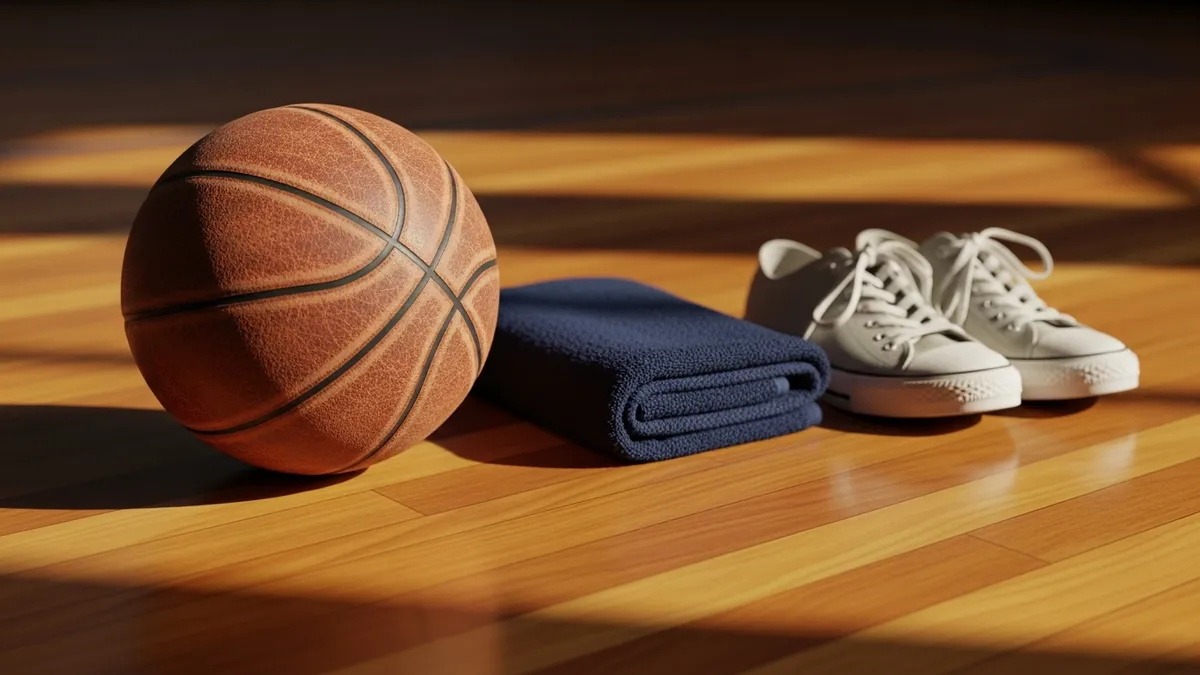
Orthodox Jews do play and watch sports — discover how Shabbat, modesty, and Torah study shape their approach to athletics and exercise.
Quick Answer
Yes, Orthodox Jews play and enjoy sports. Basketball, swimming, soccer, and cycling are all popular. However, Shabbat and holiday observance means no playing or watching on those days, modesty standards affect how and where people exercise, and competitive sports take a back seat to Torah study priorities.
The image some people have of Orthodox Jews — always studying, always praying, never moving from the beis midrash — is not exactly accurate. Orthodox Jews play sports. They exercise. Some of them are actually pretty athletic. The relationship with sports is just shaped by certain values and realities that make it look a little different from the mainstream.
Playing Sports
Basketball is probably the most popular sport in the Orthodox male community, at least in America. Yeshiva gyms across Brooklyn and beyond have basketball courts that see heavy use. Yeshiva leagues, intramural games, pickup games after seder (study session) — basketball is huge. If you visit a yeshiva on a Sunday afternoon, chances are good that someone is playing ball.
Swimming is popular for both men and women, though always in gender-separated settings. Many Orthodox communities have separate swimming hours at local pools or JCCs. In the summer, camps have swimming as a daily activity.
Soccer, baseball, and cycling all have followings. In Israel, soccer is particularly popular among religious youth. Running has become increasingly common — you will find Orthodox Jews at marathons and in running clubs. Tennis, ping-pong, and even martial arts have their devotees.
For women, exercise is embraced but the settings matter. Women-only gyms, women-only swimming hours, and home workout programs are common. Modesty considerations mean that mixed-gender gym environments do not work for most Orthodox women. In my neighborhood, there is a women-only gym that is packed every morning. Between the treadmills and the strollers parked outside, it is a whole scene.
The Shabbat Factor
The biggest difference between Orthodox athletes and everyone else is Shabbat. From Friday evening to Saturday night, sports stop. No games, no practices, no watching TV broadcasts of games. This means:
- Orthodox student athletes in colleges and high schools sometimes cannot play in Saturday games, which can complicate team participation
- Following a favorite team means missing any Shabbat action and catching up afterwards
- Community leagues schedule around Shabbat
There have been notable cases of Orthodox athletes navigating this in professional and collegiate settings. The stories always generate a lot of respect — choosing Shabbat observance over competitive pressure is not easy, and people in the broader sports world tend to admire the commitment.
Watching Sports
Orthodox Jews watch sports. Not all of them, and not obsessively, but plenty of frum men follow the NBA, NFL, or soccer leagues. The caveat is that on Shabbat and Yom Tov, the TV is off. Big games that fall on Friday night or Saturday are missed in real time. You learn the results on Motzei Shabbat, and you either celebrate or commiserate a few hours late.
In more yeshivish communities, watching sports is less common — not because it is prohibited, but because the culture prioritizes learning and spiritual growth. The attitude is more like: sports are fine, but there are better uses of your time. In Modern Orthodox communities, being a sports fan is completely normal and open.
The Torah Perspective on Physical Health
Judaism actually places great importance on physical health. The Rambam (who was also a physician) wrote extensively about the obligation to maintain a healthy body. Exercise, proper nutrition, and physical fitness are not just permitted — they are encouraged as a way of serving Hashem properly. You cannot learn Torah effectively if you are unwell, and you cannot perform mitzvos if your body is not functioning.
The Torah commands "venishmartem me'od lenafshoseichem" — "and you shall greatly guard your souls" (Devarim 4:15) — which Chazal understand as an obligation to protect your physical health (shemiras haguf). This means that from a Jewish perspective, regular exercise is not just a personal preference but a religious value.
Youth Sports and Values
In Orthodox schools and camps, sports play an important social role. Camp sports — basketball leagues, swimming competitions, color war — are a huge part of the summer experience. In schools, recess is active and physical education is part of the curriculum.
The approach to competition, however, tends to emphasize sportsmanship and character over winning at all costs. I tell my students: how you play the game tells me more about who you are than whether you won. That is not to say Orthodox kids are not competitive — trust me, they are. A fifth-grade basketball game can get intense. But the values framework is always there in the background.
The Bottom Line
Orthodox Jews play sports, watch sports, and value physical fitness. The practice is shaped by Shabbat observance, modesty standards, and a culture that sees physical activity as good but not ultimate. No one is going to skip Mincha for a game. But after Mincha? The basketball court is fair game.
Common Questions
Do Orthodox Jews play sports? Yes — basketball, swimming, running, and baseball are popular. Orthodox communities have organized leagues, JCCs with sports programs, and active recreational cultures. The main constraint is Shabbat — no games on Saturday.
Can Orthodox Jews watch professional sports? Modern Orthodox Jews commonly follow professional sports. In Hasidic and Yeshivish communities, it is less common but not prohibited. The issue is time spent on secular entertainment rather than sports being inherently problematic.
Are there Orthodox Jewish professional athletes? A few — most notably in baseball and boxing historically. The challenge is Shabbat observance, which conflicts with Saturday game schedules. Sandy Koufax (though not Orthodox) famously refused to pitch on Yom Kippur.
I'm an Orthodox Jewish woman from Brooklyn. I can't speak for every Orthodox Jew — when I write outside my experience, I say so.
Partway in, or just curious?
If you're in an interfaith relationship, have Jewish ancestry, or are quietly exploring deeper engagement, there's a separate page for you.
The Orthodox Insider
A new letter every Thursday, before Shabbos — plus an instant download of “10 Things Everyone Gets Wrong About Orthodox Jews” when you subscribe.
No spam, unsubscribe anytime.