Tisha B'Av — The Saddest Day in Jewish History
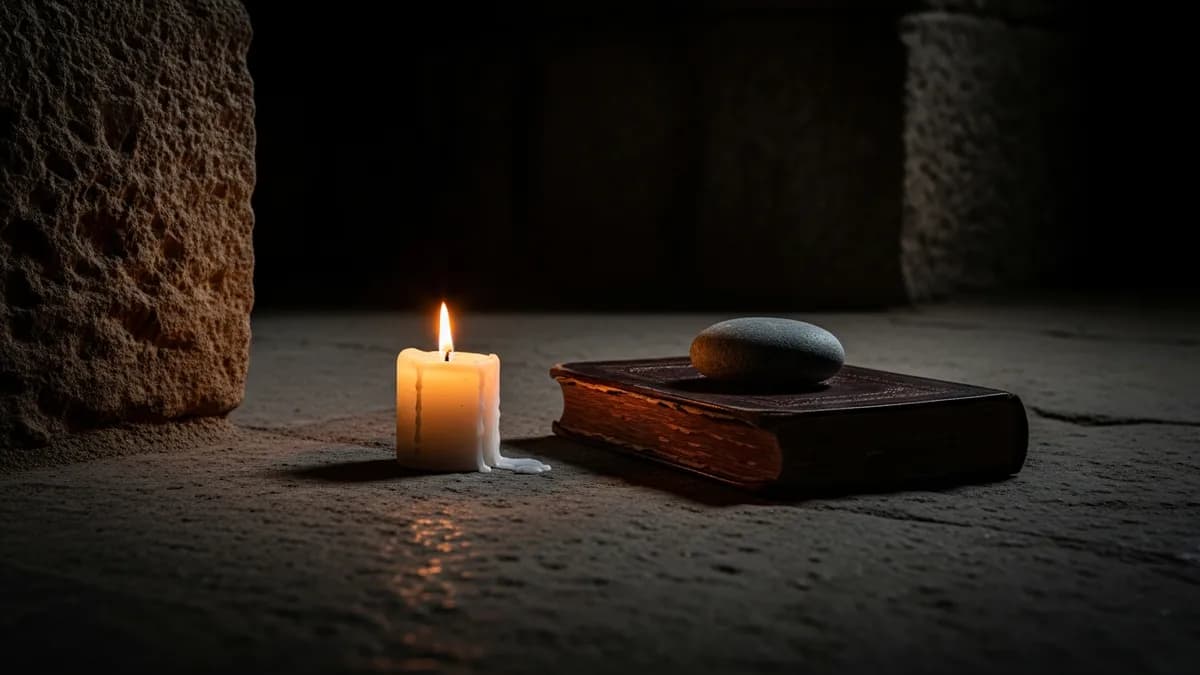
Tisha B'Av commemorates the destruction of both Temples in Jerusalem and centuries of Jewish tragedy. The fast, the mourning, Eicha, and how we observe it.
Quick Answer
Tisha B'Av (the 9th of Av) is a 25-hour fast commemorating the destruction of both the First Temple (586 BCE) and the Second Temple (70 CE). The same date saw the expulsion from Spain (1492) and other catastrophes. We sit on the floor, read the Book of Lamentations (Eicha), and observe mourning restrictions. It is the Jewish national day of grief.
Every year on the 9th day of the Hebrew month of Av, we sit on the floor in a darkened synagogue and read the Book of Lamentations by candlelight. The melody is unlike anything else in Jewish liturgy — low, haunting, broken. Some people cry. Most sit in silence. The room feels like a funeral for a civilization.
Tisha B'Av is the saddest day on the Jewish calendar. It commemorates not one catastrophe but a cascade of them, all concentrated on the same date across millennia.
What Happened on the 9th of Av
Jewish tradition associates this date with a recurring pattern of national tragedy:
- 586 BCE — Destruction of the First Temple by Nebuchadnezzar of Babylon
- 70 CE — Destruction of the Second Temple by the Romans under Titus
- 135 CE — Fall of Betar, the last stronghold of the Bar Kochba revolt
- 1290 — Expulsion of Jews from England
- 1492 — Expulsion of Jews from Spain (tradition links the departure deadline to this season)
The Talmud traces the origin further back: the 9th of Av was the night the spies returned from scouting the Land of Israel and the people wept without cause, prompting G-d to declare: "You wept for nothing — I will establish this as a day of weeping for generations."
How We Observe
The Fast
Like Yom Kippur, Tisha B'Av is a 25-hour fast — no food, no water, from sunset to nightfall the following day. The same five restrictions apply: no eating, drinking, bathing, wearing leather shoes, or marital relations.
The Three Weeks and Nine Days
The mourning builds gradually:
- The Three Weeks (17th of Tammuz to 9th of Av): No weddings, no live music, no haircuts
- The Nine Days (1st to 9th of Av): No meat or wine (except on Shabbat), no swimming, no new clothing, no laundry for pleasure
Erev Tisha B'Av
The final meal before the fast (seudah hamafseket) is deliberately austere — traditionally a hard-boiled egg dipped in ashes, eaten while sitting on the floor. Some eat bread and water only. The contrast with the elaborate pre-Yom Kippur meal is stark and intentional.
The Evening Service
At nightfall, the synagogue is dimmed. The ark covering and Torah mantles may be removed or replaced with dark cloth. The congregation sits on the floor or on low chairs (like during shiva). The Book of Eicha (Lamentations) is chanted in its distinctive mournful melody.
After Eicha, kinnot (dirges) are recited — some ancient, some composed after later tragedies including the Crusades and the Holocaust.
The Following Day
The morning service is unusual: tallit and tefillin are not worn (they are considered "glory" — inappropriate for a day of mourning). They are worn at the afternoon service instead. More kinnot are recited. The mood does not lift until midday, when restrictions begin to ease slightly.
What It Feels Like
Tisha B'Av is disorienting by design. Sitting on the floor, hungry, reading about destruction — it forces you out of comfort. The modern world keeps moving outside the synagogue walls, but inside, we are in 70 CE watching the Temple burn.
And yet there is purpose in the grief. The Talmud says: "Whoever mourns for Jerusalem will merit to see its rejoicing." The mourning is not despair — it is an assertion that something was lost that matters, and that we have not forgotten.
By late afternoon, the mood shifts. We stand up from the floor. We put on our tefillin. We begin to plan for Shabbat Nachamu — the Shabbat of Comfort that follows, when the haftarah begins: "Comfort, comfort My people."
The descent into grief and the emergence toward hope — that is the arc of Tisha B'Av. We do not skip the descent. But we do not stay there either.
I'm an Orthodox Jewish woman from Brooklyn. I can't speak for every Orthodox Jew — when I write outside my experience, I say so.
Jewish Holidays: The Complete Jewish Calendar Guide
Yom Kippur — The Holiest Day of the Jewish Year
What Is Teshuvah? The Jewish Path of Repentance
What Do Orthodox Jews Believe? Core Principles of Faith
Want to experience a Jewish holiday yourself?
Virtual Seders, Rosh Hashanah dinners, and Chanukah candle-lightings are open to non-Jewish guests.
The Orthodox Insider
A new letter every Thursday, before Shabbos — plus an instant download of “10 Things Everyone Gets Wrong About Orthodox Jews” when you subscribe.
No spam, unsubscribe anytime.