Why Do Orthodox Jews Tear Their Clothes at a Funeral?
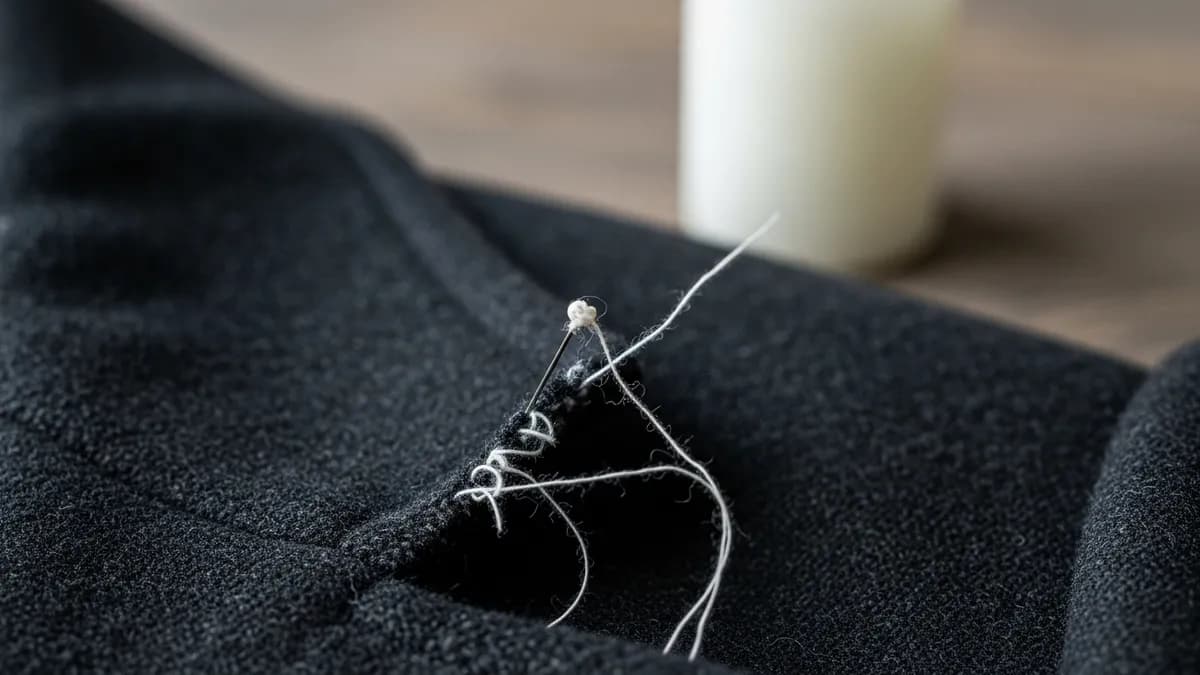
The ripping of clothing at a Jewish funeral is called keriah. It is a biblical expression of grief, not a random act. Here's what it means and how it works.
Quick Answer
Keriah (tearing) is a mourning ritual where close relatives tear their garment over the heart upon learning of a death or at the funeral. For a parent, the tear is on the left side (over the heart). For other relatives, the right side. It is a physical expression of a broken heart — grief made visible on the body.
At a Jewish funeral, you may see family members take their shirt or jacket and rip it — a deliberate tear, usually a few inches, on the upper chest. It is startling if you have never seen it before. It is not accidental. It is not symbolic in the way a black armband is symbolic. It is raw.
What Is Happening
The practice is called keriah (pronounced keh-REE-ah) — literally "tearing." A mourner tears their garment as an expression of grief. The tear represents the rupture that death creates in the fabric of a life.
Who Tears
Jewish law requires keriah from seven categories of close relatives:
- Father
- Mother
- Son
- Daughter
- Brother
- Sister
- Spouse
Other relatives and friends do not tear, though they may if they choose.
How It Works
- For a parent: the tear is on the left side, directly over the heart. This is the deepest mourning in Judaism. The tear is never fully repaired — it is stitched roughly, visibly, as a permanent mark.
- For other relatives: the tear is on the right side. After the mourning period, the garment can be properly repaired.
- The tear: typically a rabbi or funeral director makes a small cut in the garment, then the mourner extends it by hand — at least a few inches. The sound of the fabric ripping is part of the ritual.
- Timing: keriah is performed either at the moment of hearing the news of death or at the funeral itself (custom varies).
- What is torn: the actual garment being worn — a shirt, blouse, or jacket. Some people wear a special "keriah ribbon" pinned to their clothing instead, though traditional practice prefers tearing the actual garment.
Why They Do It
Keriah appears in the Torah multiple times. When Jacob was told his son Joseph had died, "he tore his garments" (Genesis 37:34). When King David learned of Saul's death, "David took hold of his clothes and tore them" (2 Samuel 1:11).
The act serves multiple purposes:
- Physical release of emotion. Grief needs a physical outlet. Tearing gives the body something to do with overwhelming feeling.
- Visible mourning. The torn garment announces: I am in mourning. Treat me accordingly.
- Theological statement. Just as the garment is torn but the person remains whole, the loss tears the fabric of life but does not destroy the mourner.
During the Mourning Period
The mourner wears the torn garment for the seven days of shiva (the mourning period). It is a visible marker of their status. Visitors to the shiva house know immediately who the primary mourners are.
After shiva, the garment can be changed. For a parent, many mourners keep the torn garment or repair it loosely as a memorial. For other relatives, it may be properly mended or replaced.
For Non-Jewish Observers
If you attend a Jewish funeral and see the family tearing their clothing, do not be alarmed. Do not try to stop them or comfort them out of it. This is an ancient, deliberate practice that gives shape to shapeless grief. It is one of the most honest rituals in any religion — the acknowledgment that something is broken, and that the break is real.
I'm an Orthodox Jewish woman from Brooklyn. I can't speak for every Orthodox Jew — when I write outside my experience, I say so.
Attending one of these in real life?
Weddings, bar mitzvahs, and other Jewish life events often include non-Jewish guests. If you want practical guest etiquette, ask.
The Orthodox Insider
A new letter every Thursday, before Shabbos — plus an instant download of “10 Things Everyone Gets Wrong About Orthodox Jews” when you subscribe.
No spam, unsubscribe anytime.