Why Do Orthodox Jews Have Beards?
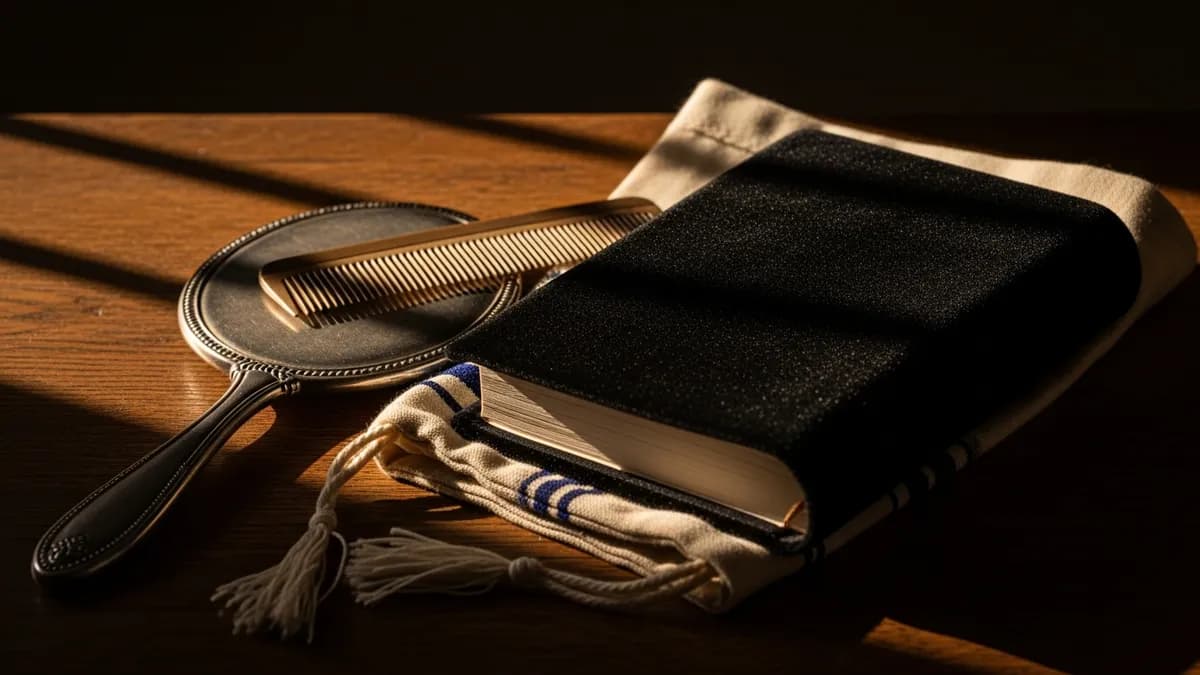
Learn why many Orthodox Jewish men grow beards, the Torah commandment behind it, and how different communities approach facial hair.
Quick Answer
The Torah prohibits destroying the corners of the beard with a razor (Leviticus 19:27). Many Orthodox men grow full beards to fulfill this commandment. Chassidic Jews especially consider the beard spiritually significant. Other Orthodox men trim with electric shavers, which most authorities permit.
Why Do Orthodox Jews Have Beards?
Walk through any Orthodox Jewish neighborhood and you'll see beards everywhere — from neatly trimmed to long and flowing. There's a reason for that, and it goes back to a direct Torah commandment.
The direct answer: the Torah (Leviticus 19:27) prohibits a man from "destroying the corners of his beard." This is understood as forbidding the use of a razor blade on the face. Many Orthodox men grow beards as the simplest and most complete way to observe this commandment, while others trim with permitted methods like electric shavers.
What Exactly Is Prohibited?
The prohibition is specifically against using a single-blade razor to shave the face. The Talmud identifies five "corners" of the beard — two on each side and one on the chin — where this prohibition applies. The Torah doesn't require growing a beard per se; it prohibits removing it with a razor.
This distinction matters because it opens the door to different approaches:
- Full beard, untrimmed: Many Chassidic men never trim their beards at all. In Kabbalistic tradition, the beard has deep spiritual significance — the Zohar describes the beard as a channel for divine mercy, and cutting it is seen as disrupting a spiritual flow.
- Trimmed beard: Some Orthodox men maintain shorter, neatly trimmed beards using scissors or electric trimmers, which cut hair differently than a razor.
- Clean-shaven (with electric shaver): Many Modern Orthodox and some Yeshivish men use electric shavers, which most halachic authorities permit because the cutting mechanism is different from a single blade. However, some authorities, including Chassidic poskim, disagree and hold that certain electric shavers are too close to a razor action.
The Chassidic Approach
For Chassidic men, the beard is much more than a halachic technicality — it's a spiritual identity marker. The Tzemach Tzedek (third Lubavitcher Rebbe) wrote extensively about the mystical significance of the beard, and Chabad custom is not to trim it at all.
In many Chassidic communities, a full, untrimmed beard is a social expectation as much as a religious one. A young man who shaved would raise serious concerns. The beard signals belonging, piety, and connection to tradition.
Different Chassidic groups have slightly different beard customs. Some tuck their beards, some grow them very long, and some keep them full but relatively neat. But across the board, the Chassidic beard is a defining feature.
The Yeshivish World
In Lithuanian-style yeshiva communities, there's more variation. Many yeshiva students and rabbis have beards, but it's not universal. The focus tends to be more on the strict halachic requirement (no razor) rather than the mystical dimensions. A clean-shaven man with an electric shaver is generally accepted without comment.
That said, there's been a trend in recent years toward more beard-wearing even in these communities. Beards have become fashionable in the broader culture too, which hasn't hurt.
Modern Orthodox Practice
In Modern Orthodox communities, many men are clean-shaven, using electric shavers that they and their rabbis consider halachically acceptable. Others grow beards by choice — whether for religious reasons, aesthetics, or both.
The key halachic principle across all communities: no single-blade razor on the face. How far beyond that minimum a man goes depends on his community, his rabbi's guidance, and his personal spiritual practice.
The Peyos Connection
Beards are often accompanied by peyos (sidelocks), which come from the same verse: "Do not round the corners of your head." While peyos and beards stem from the same source, they're separate obligations. Some men have prominent peyos with trimmed beards, or full beards with short peyos. The combination varies widely by community.
What the Beard Means
For many Orthodox men, the beard is more than compliance with a law. It's a visible statement of Jewish identity, a daily reminder of commitment, and a connection to generations of Jewish men who looked the same way.
My husband grew his beard out after we got married, and he says it changed how he sees himself. "When I look in the mirror, I see my grandfather," he told me once. There's something powerful about carrying a physical link to the past on your face every day.
Want to learn more? Read about peyos and sidelocks or explore Orthodox Jewish clothing.
Common Questions
Do all Orthodox Jewish men have beards? No. Modern Orthodox men often shave (using an electric razor, which is permitted by most authorities). The beard is most common among Hasidic and Yeshivish men. Kabbalistic tradition strongly encourages not cutting the beard at all.
Can Orthodox men trim their beards? It depends on the community. Many men trim and shape their beards. The prohibition is specifically against using a razor blade on the face — electric shavers and scissors are generally permitted. Some communities and Kabbalistic traditions discourage any trimming.
Why do some Orthodox men have long beards and others short ones? Length is a matter of personal practice and community custom. Hasidic men tend toward longer beards, while Yeshivish men may keep them shorter and trimmed. The halachic requirement is the same — the variation is in how each community interprets beautifying the commandment.
What about during mourning? During shiva and the sheloshim (the 30-day mourning period), a mourner refrains from shaving and haircuts — and for a parent, the restriction on shaving lasts even longer. So a man who normally shaves or keeps a trimmed beard may grow it out during mourning.
I'm an Orthodox Jewish woman from Brooklyn. I can't speak for every Orthodox Jew — when I write outside my experience, I say so.
Jew Curls (Peyot): Meaning and Why Orthodox Jews Wear Them
Orthodox Jewish Clothing — Why They Dress That Way
Modest Fashion: A Complete Guide to Tznius Style
Why Do Orthodox Jewish Men Have Strings Hanging Out?
There's more where this came from.
Orthodox Jewish dress touches on modesty, community identity, and religious law. The full tour covers it all.
The Orthodox Insider
A new letter every Thursday, before Shabbos — plus an instant download of “10 Things Everyone Gets Wrong About Orthodox Jews” when you subscribe.
No spam, unsubscribe anytime.