Why Do Orthodox Jews Wrap Furniture in Plastic?
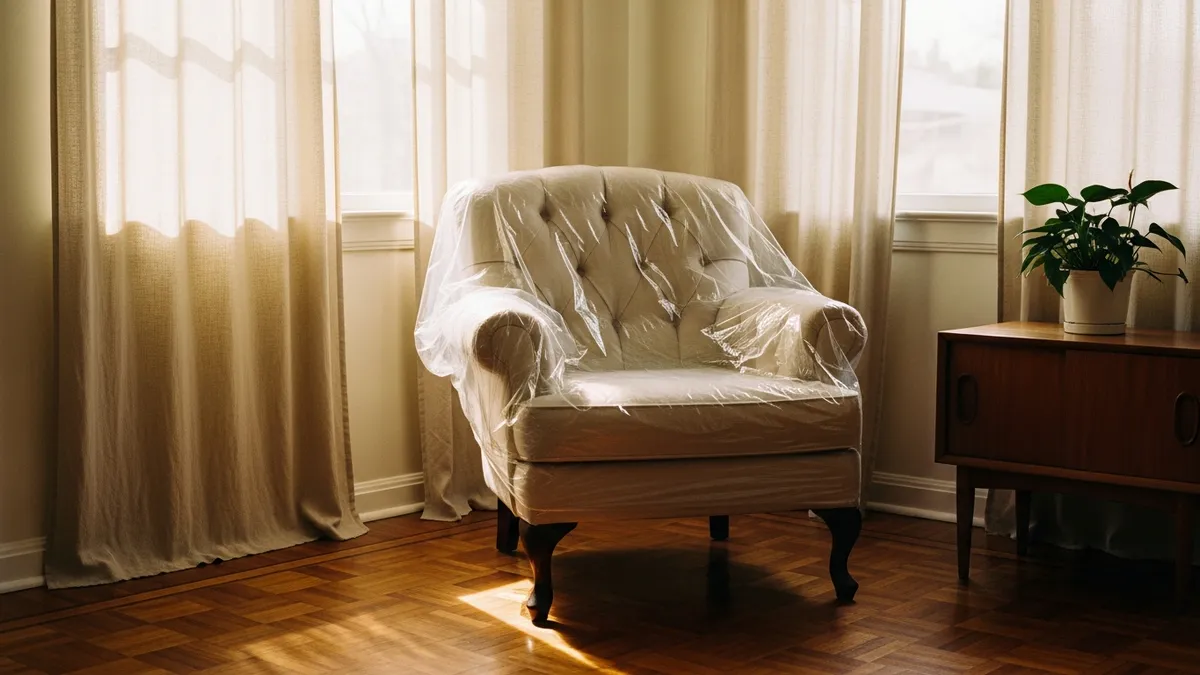
Find out why some Orthodox Jewish families cover their furniture in plastic, including the cultural and practical reasons behind this well-known stereotype.
Quick Answer
The plastic-covered furniture stereotype is associated with some older Orthodox Jewish households, particularly from Eastern European backgrounds. It's a cultural habit rooted in practicality — protecting expensive furniture from large families — not a religious requirement. It's far less common today.
Why Do Orthodox Jews Wrap Furniture in Plastic?
Let's get this out of the way — this is one of those stereotypes that has some basis in reality but is way more nuanced (and funnier) than most people realize. And no, it's definitely not a religious requirement.
The direct answer: plastic-covered furniture is a cultural phenomenon found in some Orthodox Jewish homes, particularly among older generations with Eastern European roots. It's about protecting furniture from the wear and tear of large families, not about any religious law.
Where Did This Come From?
To understand the plastic furniture phenomenon, you need to understand the generation that started it. Many of the bubbes (grandmothers) who covered their couches in plastic were immigrants or children of immigrants who grew up with very little. Furniture was a significant investment — sometimes the biggest purchase a family made after their home.
When you've saved for years to buy a beautiful couch, and you have eight grandchildren who visit every Shabbos with sticky fingers and grape juice, covering that couch in plastic makes a certain kind of sense. It's not vanity — it's preservation born from a mindset of scarcity.
This wasn't exclusively Jewish, by the way. Italian, Greek, and other immigrant communities in New York did the exact same thing. It was a post-war, immigrant, large-family phenomenon that happened to overlap significantly with the Orthodox Jewish community.
Is It Still a Thing?
Honestly? Much less than it used to be. Walk into most Orthodox homes today and you'll find normal furniture without plastic. The stereotype has outlived the practice in many ways.
That said, you might still encounter it in:
- Older homes where the original bubbe's rules still apply
- Some larger Orthodox households — across communities — where practical protection for nice furniture remains important given family size
- The "good living room" — many Orthodox families have a formal living room used only for guests and Shabbos, while the everyday family room takes the beating. The formal room might have more protection
My grandmother had plastic on her dining room chairs until the day she passed. We used to joke that the chairs were in better condition than the rest of the house. She'd give us that look and say, "When you pay for furniture, you'll understand."
The Larger Cultural Context
The plastic furniture thing touches on something real about Orthodox Jewish domestic culture — the home is central to religious life. Shabbos meals, holiday celebrations, family gatherings, shiva visits — so much of Jewish practice happens in the home. Furniture gets serious use.
A typical Orthodox family might host:
- Weekly Shabbos meals with extended family (Friday night and Saturday lunch)
- Holiday meals that can last hours with a dozen or more people
- Simchas (celebrations) like a bris or shalom zachar
- Study groups and community gatherings
That's a lot of meals, a lot of guests, and a lot of opportunities for spills. Protecting furniture isn't paranoia — it's logistics.
The Comedy of It All
Orthodox Jews are the first to laugh about this one. There are entire comedy routines built around bubbe's plastic-covered couch — the way it sticks to your legs in summer, the distinctive crinkling sound when you sit down, the fact that nobody actually gets to enjoy the beautiful upholstery underneath.
A familiar punchline in the genre: the bubbe's couch is in such perfect condition decades later that you could sell it as new — if only you could pry the plastic off.
It's part of a broader tradition of Jewish self-deprecating humor that takes cultural quirks and turns them into comedy. The plastic couch is funny precisely because it reveals something true — a generation's deep instinct to protect and preserve what they worked so hard to earn.
What It Really Tells Us
Behind the stereotype is a story of resilience. People who survived poverty, displacement, and worse, building homes and families in a new country, wanting to preserve something beautiful in lives that had seen too much loss. The plastic wasn't about obsession — it was about care.
Today's Orthodox homes are more likely to have sectional sofas designed to handle kid traffic and slipcovers that go in the washing machine. The impulse is the same — protect the home — but the method has evolved.
And if you do visit a home with plastic on the furniture? Sit down, don't mention it, and enjoy the meal. The food will be amazing.
Want to learn more? Read about what Orthodox Judaism is or explore the Hasidic community.
Common Questions
Do Orthodox Jews really cover their furniture in plastic? Some do — mostly in older homes from the immigrant generation, across Orthodox communities. With many children and frequent guests (especially for Shabbat meals), keeping furniture clean is a practical concern. It is not a religious requirement.
Is this a religious practice? No — it is cultural/practical, not halachic. It is associated with immigrant-generation habits (protecting expensive furniture) that persisted in some communities. Many younger Orthodox families do not do this at all.
Is this common today? Less so than a generation ago. It was most common in mid-20th-century immigrant Orthodox homes (paralleling the broader Italian, Greek, and other post-war immigrant communities who did the same). Today it is mostly older families or a matter of personal preference — not a community norm.
I'm an Orthodox Jewish woman from Brooklyn. I can't speak for every Orthodox Jew — when I write outside my experience, I say so.
What is Orthodox Judaism? A Complete Guide
What Is a Hasidic Jew? An Insider's Guide to Hasidic Judaism
Are Orthodox Jews Like the Amish?
Why Do Orthodox Jews Put Plastic on Their Furniture?
Partway in, or just curious?
If you're in an interfaith relationship, have Jewish ancestry, or are quietly exploring deeper engagement, there's a separate page for you.
The Orthodox Insider
A new letter every Thursday, before Shabbos — plus an instant download of “10 Things Everyone Gets Wrong About Orthodox Jews” when you subscribe.
No spam, unsubscribe anytime.