Your First Shabbat Dinner — What to Expect as a Guest
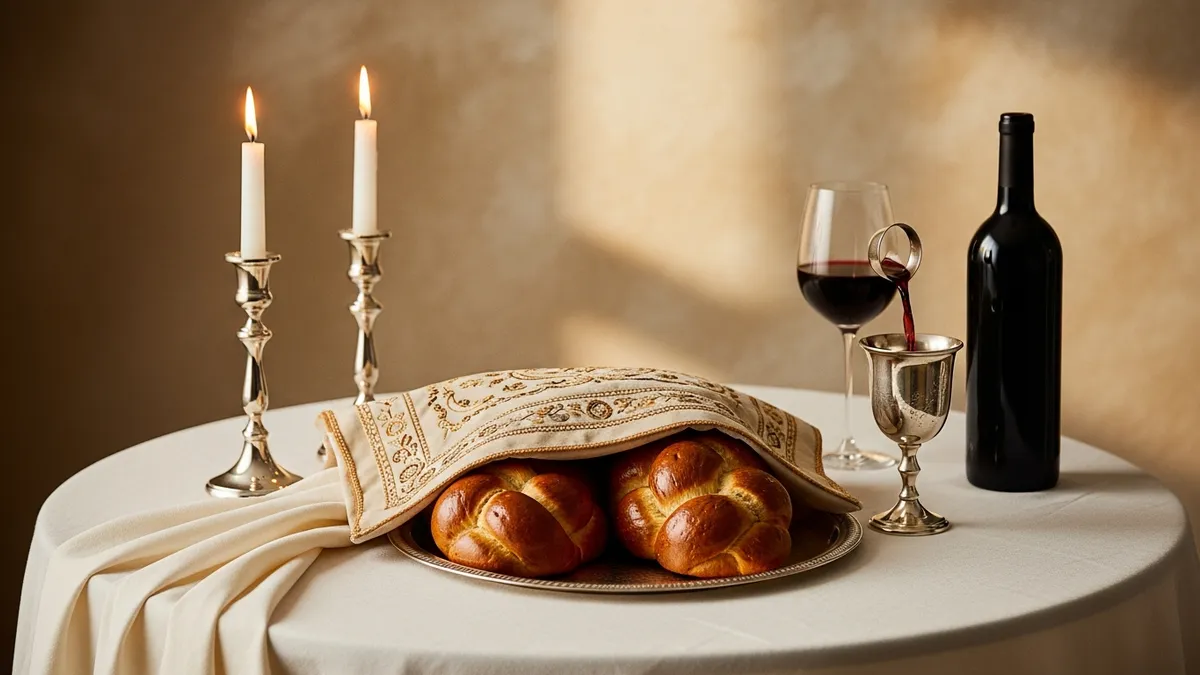
Shabbat dinner guide for non-Jews and secular Jews: what to wear, bring, say, and expect as a guest — from a host who welcomes first-timers every week.
Quick Answer
Arrive on time (before sundown), dress modestly (no shorts or tank tops), bring wine or flowers (not food unless you confirmed it's kosher), expect to stay 2-3 hours, and know that phones go away at candle lighting. The meal includes candle lighting, kiddush (wine blessing), hand-washing, challah, multiple courses, singing, and conversation. You will not be expected to pray or know Hebrew.
You got invited to a Shabbat dinner. Maybe by a colleague, a neighbor, a friend from college. You said yes, and now you are wondering what exactly you have agreed to. Good. Let me walk you through it.
I host Shabbat dinner almost every Friday night. We have had first-timers at our table dozens of times — non-Jewish coworkers, college friends visiting Brooklyn, the new family on the block. Nobody has ever embarrassed themselves. The bar is low: show up, be present, eat the food. (If you like to picture a place before you ring the bell, here is what the home you are walking into will look like.)
Before You Arrive
What Time
Shabbat starts at sunset on Friday, which means dinner time changes every week. In summer it might be 8:15 PM. In winter it could be 4:30 PM. Your hosts will tell you the time. Arrive slightly before candle-lighting if possible — it is nice to be there when the house transitions from weekday chaos to Shabbat calm.
What to Wear
Women: Skirt or dress that covers the knees. Sleeves to the elbow. No plunging neckline. This is not about your hosts judging you — it is about being comfortable in a context where everyone else is dressed this way. If you only own pants, that is fine. Nobody will say anything. But a skirt signals respect.
Men: Collared shirt, long pants. No shorts. You will likely be offered a kippah (head covering) — say yes. It is a sign of respect for the space, not a religious commitment.
What to Bring
- Wine — always welcome. Any wine with a kosher symbol (look for an OU, OK, or other certification on the label). Kosher wine is easy to find.
- Flowers — always safe, always appreciated.
- Do NOT bring homemade food or baked goods unless you confirmed with your host that your kitchen meets their standards. This is the most common well-meaning mistake. Even if you used kosher ingredients, your kitchen equipment and preparation may not meet the requirements. Your host will have plenty of food.
- Chocolates or candy — check for a kosher symbol on the package. Most mainstream brands (Ghirardelli, Lindt, many others) have one.
Your Phone
Put it away before candle-lighting and do not take it out until you leave (or until Saturday night, if you are staying overnight). Do not ask for the WiFi password. Do not take photos of the meal. This is the single most important etiquette point — Shabbat means no electronics, and using yours in their home is like smoking in a non-smoker's house.
The Meal
Candle Lighting
The woman of the house lights candles (usually two, sometimes more). She covers her eyes, says a blessing in Hebrew, and there is a moment of silence. Shabbat has begun. The energy in the room shifts — everything slows down.
You do not need to do anything during this. Just stand quietly.
Shalom Aleichem & Eishet Chayil
The family may sing two traditional songs: Shalom Aleichem (welcoming angels) and Eishet Chayil (praising the woman of the house — from Proverbs 31). You do not need to sing along. Smile, listen. The melodies are beautiful.
Kiddush (Wine Blessing)
The man of the house (or whoever leads) raises a cup of wine and recites the kiddush — a Hebrew blessing sanctifying Shabbat. Everyone stands. At the end, he drinks and passes wine cups around. Take one. You do not need to say anything — just drink.
If you do not drink alcohol, grape juice is always available and equally acceptable.
Hand-Washing (Netilat Yadayim)
Everyone washes their hands with a special two-handled cup, pouring water over each hand. A blessing is said, and then — this is important — no one speaks between washing and eating the challah. This silence lasts about 30 seconds. Do not start a conversation. Just follow along to the table.
Challah
Two braided loaves of challah (egg bread) are uncovered. The host says a blessing, tears or cuts the bread, dips it in salt, and passes pieces to everyone. Take one and eat it. This is the signal that the meal has officially begun — now you can talk freely.
The Food
Expect multiple courses:
- Fish appetizer (gefilte fish or something fancier)
- Soup (chicken soup with matzah balls or kreplach — dumplings)
- Main course (chicken, meat, or both)
- Side dishes (kugel, salad, roasted vegetables)
- Dessert (cake, fruit, something sweet)
The food is abundant. You will be offered seconds. The host will insist. Saying "I'm full, thank you" is perfectly acceptable — but expect to be asked three times.
Conversation and Singing
Shabbat dinner is long — 2-3 hours is normal. Between courses, the family may discuss a Torah thought (a "dvar Torah"), share what happened during the week, or ask guests about themselves. Jump in. Ask questions. "What does that mean?" or "Why do you do that?" are always welcome.
There will be singing (zemirot) — Hebrew table songs. You will not know the words. That is fine. Some guests hum along, some just listen and enjoy. Nobody expects you to perform.
Birkat Hamazon (Grace After Meals)
After dessert, everyone says a long Hebrew prayer of thanks (bentching). Booklets will be handed out. You can follow along, or just sit respectfully. It takes 3-5 minutes.
Things You Should Know
No photography. Do not ask for a group photo. It is Shabbat.
No talk about work pressure. Shabbat is specifically a break from weekday stress. Talking about deadlines or Monday's meeting is tone-deaf. Talk about family, ideas, travel, anything not work.
Physical contact. In many Orthodox homes, men and women who are not married to each other do not touch — no handshakes, no hugs. Do not extend your hand for a handshake unless they initiate. A warm smile and verbal greeting works perfectly: "Good Shabbos" or "Shabbat Shalom."
"Good Shabbos" vs "Shabbat Shalom." Both mean the same thing. "Good Shabbos" is Yiddish (common in Hasidic/Yeshivish homes). "Shabbat Shalom" is Hebrew (common in Modern Orthodox/Sephardic homes). Either works anywhere.
You will be invited back. This is almost guaranteed. Shabbat hospitality is a deep value. If you had a good time, say so — and accept the next invitation. Repeat guests become family.
After the Meal
Thank your hosts sincerely. "Good Shabbos" as you leave. If you drove, be aware that driving on Shabbat is a community-dependent sensitivity. In many homes — especially Modern Orthodox or kiruv-minded ones — a guest driving in is openly expected and a complete non-issue. In more right-wing, Yeshivish, or Hasidic homes it can feel awkward, so it is considerate to park a short walk away rather than directly in front of the house. If you are unsure which you are dealing with, just ask your host ahead of time how they would like you to handle it — they will appreciate that you thought to ask.
On Sunday or Monday, send a text thanking them again. Mention a specific moment: a song you liked, a dish that was incredible, something their child said that made you laugh. That matters more than any hostess gift.
Welcome to Shabbat.
I'm an Orthodox Jewish woman from Brooklyn. I can't speak for every Orthodox Jew — when I write outside my experience, I say so.
Shabbat — The Jewish Day of Rest Explained
What is Kosher? The Complete Guide to Jewish Dietary Laws
What to Wear to an Orthodox Jewish Wedding or Event
How to Host Orthodox Jewish Guests: A Practical Guide
Want to experience a Jewish holiday yourself?
Virtual Seders, Rosh Hashanah dinners, and Chanukah candle-lightings are open to non-Jewish guests.
The Orthodox Insider
A new letter every Thursday, before Shabbos — plus an instant download of “10 Things Everyone Gets Wrong About Orthodox Jews” when you subscribe.
No spam, unsubscribe anytime.