Can Orthodox Jews Eat Cheese? Kosher Dairy Rules Explained
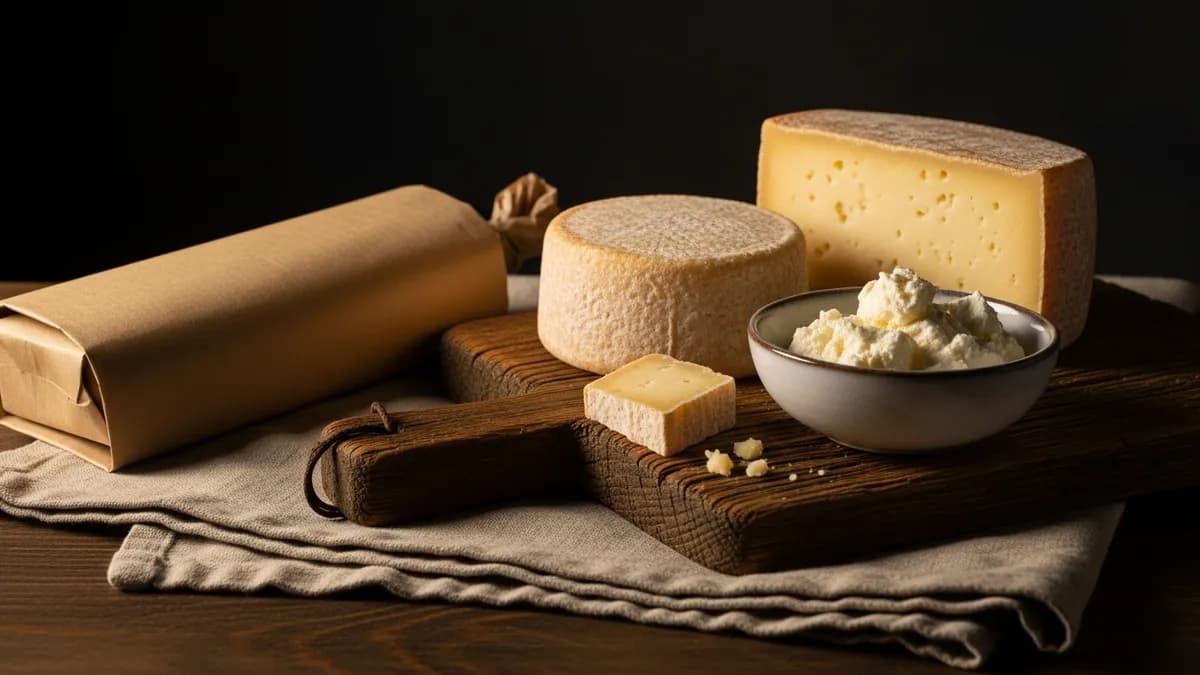
Which cheeses are kosher, what makes cheese non-kosher, and why Orthodox Jews need kosher certification on dairy products.
Quick Answer
Orthodox Jews can eat cheese, but it must have kosher certification. The main issue is rennet — the enzyme used to coagulate milk into cheese. Animal-derived rennet from non-kosher slaughter makes cheese non-kosher. Additionally, many communities require that kosher cheese be made with Jewish involvement in production (gevinat Yisrael), though authorities differ on how strictly this applies. Most major cheese brands carry kosher certification.
The short answer is yes — Orthodox Jews eat cheese, and plenty of it. Cheese is dairy, and dairy is a major part of the kosher diet. My family goes through blocks of cheese like you would not believe. But — and this is the important part — the cheese needs to be kosher certified, and here is why.
The Rennet Problem
Most cheese is made using rennet, an enzyme that coagulates milk into curds. Traditionally, rennet comes from the stomach lining of a calf. This is the part most people have never thought about:
- If the calf was not slaughtered according to kosher law (shechita), the rennet is not kosher.
- Even when the calf was kosher-slaughtered, combining a meat-derived enzyme with milk raises additional kashrus questions.
Today, most kosher cheese uses microbial rennet (produced by bacteria or fungi) or vegetable-based rennet. These avoid the animal-derived issue entirely. Many mainstream cheese brands have switched to microbial rennet for cost reasons — which incidentally makes them easier to certify kosher.
Gevinat Yisrael: The Supervision Requirement
Beyond the rennet issue, there is a rabbinical decree called gevinat Yisrael — cheese made with active Jewish involvement in the production itself. The classic halacha (Avodah Zarah 35) does not just ask for a Jew to stand and watch; it requires that a Jew be hands-on in the cheese-making — classically, putting in the rennet or causing the milk to curdle. That active-participation piece is exactly what makes it a stricter, separate category from ordinary kosher supervision.
In practice, this means:
- Many strictly observant Jews — particularly Ashkenazim following the Rema — require gevinat Yisrael on cheese generally. In our house, the cheese in the fridge has a gevinat Yisrael hechsher, and I have absolutely turned a package over at a Shabbos table to check before serving it.
- Some Modern Orthodox authorities are more lenient, allowing cheeses made with microbial rennet even without that Jewish involvement, since the original concern (non-kosher animal rennet) does not apply
- Practice also varies by community — Sephardic poskim following the Shulchan Aruch are sometimes more lenient when a Jew supervises the production
What About Other Dairy Products?
Cheese gets the most attention, but the same logic ripples across the whole dairy aisle:
- Milk: Most authorities accept regular store-bought milk in the US (based on USDA regulations ensuring it is pure cow's milk). Some follow chalav Yisrael — milk that was supervised from milking to bottling by a Jewish observer. In Hasidic and many Yeshivish communities, only chalav Yisrael is used.
- Ice cream: Needs kosher certification. The same chalav Yisrael considerations apply.
- Butter: Needs kosher certification. Most major brands are certified.
- Yogurt: Needs kosher certification — gelatin and flavorings can introduce non-kosher ingredients.
The Meat-Dairy Rule
Remember: even perfectly kosher cheese can't be eaten together with meat, and after eating meat you wait before having dairy. Most of us wait six hours, but some communities wait three hours and some (famously the Dutch) wait one — it depends on your family's custom. Going the other way, dairy-then-meat usually just needs a clean mouth and a quick bite of something, with hard cheese as a notable exception. The separation between meat and dairy is treated as one of the most serious lines in kosher law because it is rooted directly in the Torah, so a cheeseburger is never kosher, no matter how kosher the cheese and the beef are individually.
In my house, cheese appears at dairy meals — pasta with cheese sauce, cheese blintzes, cheesecake for Shavuot, pizza (from a kosher restaurant or made at home with kosher ingredients). My kids would eat grilled cheese for every meal if I let them.
Common Questions
Can I bring cheese as a gift to an Orthodox host? Yes — if it has a kosher certification symbol. Check the package for OU-D, OK-D, or another recognized dairy hechsher. In more strictly observant homes, verify it is chalav Yisrael if you know they follow that standard.
Is parmesan cheese kosher? Traditional Parmigiano-Reggiano uses animal rennet and is not kosher. There are kosher parmesan-style cheeses made with microbial rennet that are excellent — look for the kosher symbol.
Why is kosher cheese more expensive? The supervision requirement (having a mashgiach present during production) adds cost. Specialty kosher cheese producers are also smaller operations. The price premium is typically 20-40% over non-kosher equivalents.
Can Orthodox Jews eat at regular pizza places? No — the restaurant must be kosher certified. Even if the ingredients are technically kosher, the ovens and preparation surfaces are shared with non-kosher items.
If you're newer to all this, start with what makes food kosher in the first place — once that clicks, the cheese rules make a lot more sense.
I'm an Orthodox Jewish woman from Brooklyn. I can't speak for every Orthodox Jew — when I write outside my experience, I say so.
What is Kosher? The Complete Guide to Jewish Dietary Laws
Kosher Laws — A Complete Guide to the Rules of Kashrut
Surprising Kosher Questions — Gelatin, Beer, Candy & More
Can Orthodox Jews Eat Ice Cream?
Want to keep reading about kosher?
The full site covers kosher laws, symbols, and specific foods. Or if you're a professional working with Orthodox Jewish clients on food — there's a specific guide for that.
The Orthodox Insider
A new letter every Thursday, before Shabbos — plus an instant download of “10 Things Everyone Gets Wrong About Orthodox Jews” when you subscribe.
No spam, unsubscribe anytime.