Tisha B'Av: The Saddest Day in Jewish History
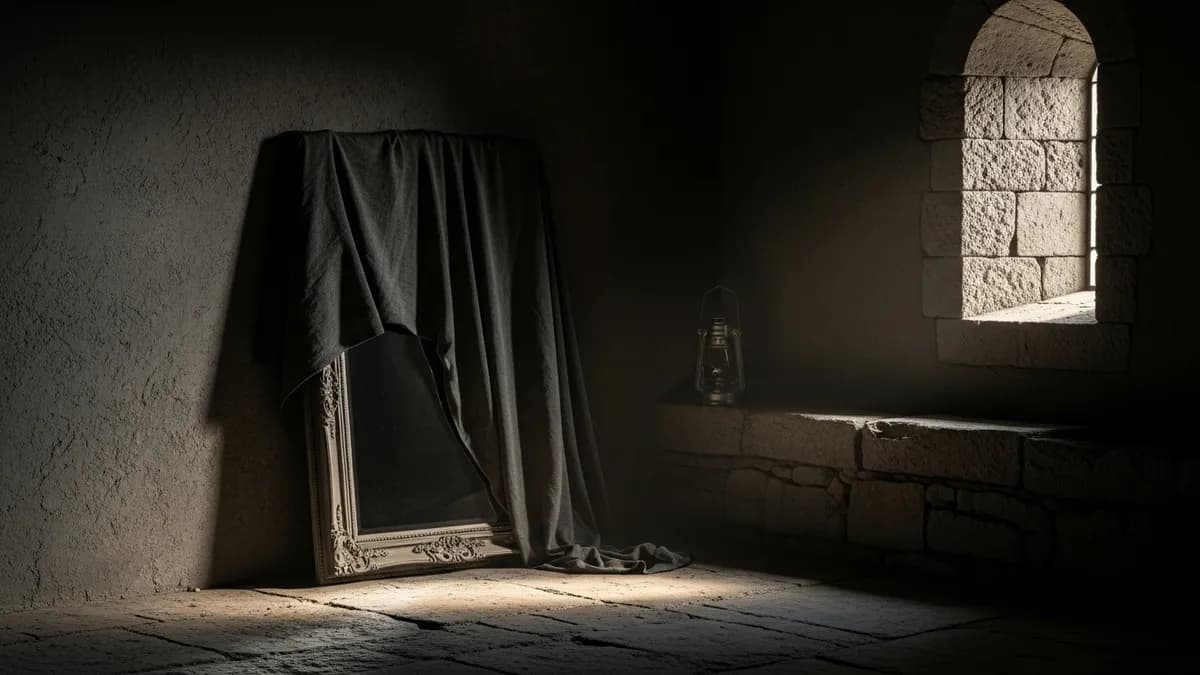
What is Tisha B'Av? The Jewish day of mourning for the destruction of both Temples and other tragedies — fasting, prayers, and what it means today.
Quick Answer
Tisha B'Av (the 9th of Av) is the saddest day in the Jewish calendar, marking the destruction of both the First and Second Holy Temples in Jerusalem. Orthodox Jews fast for 25 hours, sit on low chairs, read the Book of Lamentations (Eicha), and refrain from joyful activities. Multiple Jewish tragedies throughout history occurred on this date.
Every nation has days of remembrance. But I do not think any people mourn a loss from 2,000 years ago the way Jews mourn on Tisha B'Av. The destruction of the Holy Temple — both Temples — is not ancient history to us. It is an open wound.
What Happened on Tisha B'Av?
The Mishnah (Taanit 4:6) teaches that several catastrophic events occurred on the ninth of Av:
586 BCE — The First Temple (Beit HaMikdash), built by King Solomon, was destroyed by the Babylonians under Nebuchadnezzar. The Jewish people were exiled to Babylon.
70 CE — The Second Temple was destroyed by the Romans under Titus. This exile has lasted nearly 2,000 years.
135 CE — The Bar Kochba revolt was crushed and the city of Beitar fell, resulting in the deaths of hundreds of thousands of Jews.
And the date kept drawing tragedy long after the Mishnah was written. Two of the best-known later examples:
1290 — Jews were expelled from England.
1492 — Jews were expelled from Spain (the deadline for departure fell on or about the 9th of Av).
The pattern is so consistent that the rabbis teach that this date has been marked for tragedy since the very beginning — since the night the spies returned from the Land of Israel with their negative report, and the people cried without cause. G-d said: "You cried for nothing. I will give you something to cry about on this date for generations."
How We Observe
Tisha B'Av is a full fast day — 25 hours, like Yom Kippur. The restrictions are similar:
- No eating or drinking
- No bathing or washing
- No wearing leather shoes
- No applying lotions or oils
- No marital relations
But unlike Yom Kippur, which has an uplifting arc (ending with the joy of forgiveness), Tisha B'Av is grief from beginning to end. The mood is heavy. The synagogue is dark.
Eicha (Lamentations)
On the evening of Tisha B'Av, the congregation sits on the floor or on low chairs (as mourners do during shiva) and reads Eicha — the Book of Lamentations, traditionally authored by the prophet Jeremiah. The chanting melody is haunting and distinctive. The lights in the synagogue are dimmed or turned off, and people read by candlelight.
"How does the city sit solitary, that was full of people! She has become like a widow..." The opening words of Eicha set the tone for the entire day.
Kinnot (Lamentations/Elegies)
The next morning, the congregation recites kinnot — lengthy, poetic laments composed over the centuries. They mourn not only the Temple destruction but subsequent tragedies: the Crusades, the pogroms, and in many communities, the Holocaust. Some modern kinnot have been composed for the Shoah, adding contemporary grief to the ancient liturgy.
Mourning Customs
Throughout Tisha B'Av:
- We sit on low chairs or the floor until midday
- We do not greet each other (no "good morning")
- We do not study Torah (because Torah study brings joy) — except for sad texts like Eicha, Job, and the sections of Talmud about the destruction
- Tallit and tefillin are not worn during the morning service (they are worn at Mincha instead)
What Was the Temple?
To understand why this loss is mourned so intensely, you need to understand what the Temple was. It was not just a building. It was the place where G-d's presence — the Shechinah — dwelled in a tangible, perceivable way. It was the center of Jewish spiritual life: the place of sacrifices, of national gathering, of direct connection to the Divine.
When the Temple stood, the Talmud says, miracles were visible daily. When it was destroyed, the Jewish people lost their spiritual home. We have been in exile — physically and spiritually — ever since.
This is why Orthodox Jews pray three times a day for the Temple to be rebuilt. It is not nostalgia. It is a longing for something essential that is missing from the world.
Tisha B'Av Today
Some people ask: why mourn something that happened so long ago? Here is the answer my rabbi once gave: if you break a bone and it heals improperly, it still hurts. The fact that time has passed does not mean the injury is resolved. The exile is not over. The Temple has not been rebuilt. The wound has not healed.
At the same time, there is a tradition that Tisha B'Av will one day be transformed into a day of joy — when the Mashiach (Messiah) comes and the Temple is rebuilt. The Talmud even says the Mashiach will be born on Tisha B'Av. Out of the deepest darkness comes the greatest light.
Until then, we sit on the floor, we read Eicha, and we remember. Not because we are stuck in the past, but because we refuse to forget what we lost and what we are waiting for.
Common Questions
What happened on Tisha B'Av? Both the First Temple (586 BCE) and Second Temple (70 CE) were destroyed on this date. Numerous other tragedies in Jewish history also occurred on or near the 9th of Av, making it the saddest day in the Jewish calendar.
How do Jews observe Tisha B'Av? A 25-hour fast (no food or water), sitting on low chairs, no leather shoes, no bathing for pleasure, and reading the Book of Lamentations (Eicha). The atmosphere is one of genuine mourning.
Is Tisha B'Av as strict as Yom Kippur? The fast is the same length and intensity. The restrictions are similar (no eating, drinking, bathing, leather shoes, or marital relations). The difference is the mood — Yom Kippur is solemn but hopeful; Tisha B'Av is pure grief.
Do people go to Jerusalem for Tisha B'Av? Many do. Standing at the Kotel — the Western Wall, the surviving remnant of the Temple Mount — as Eicha is read is one of the most powerful ways to mark the day. Visitors who want to be within walking distance of the Old City tend to look for kosher hotels in Jerusalem near the center well before the fast begins.
I'm an Orthodox Jewish woman from Brooklyn. I can't speak for every Orthodox Jew — when I write outside my experience, I say so.
Want to experience a Jewish holiday yourself?
Virtual Seders, Rosh Hashanah dinners, and Chanukah candle-lightings are open to non-Jewish guests.
The Orthodox Insider
A new letter every Thursday, before Shabbos — plus an instant download of “10 Things Everyone Gets Wrong About Orthodox Jews” when you subscribe.
No spam, unsubscribe anytime.