How Do Orthodox Jews Spend Shabbat?
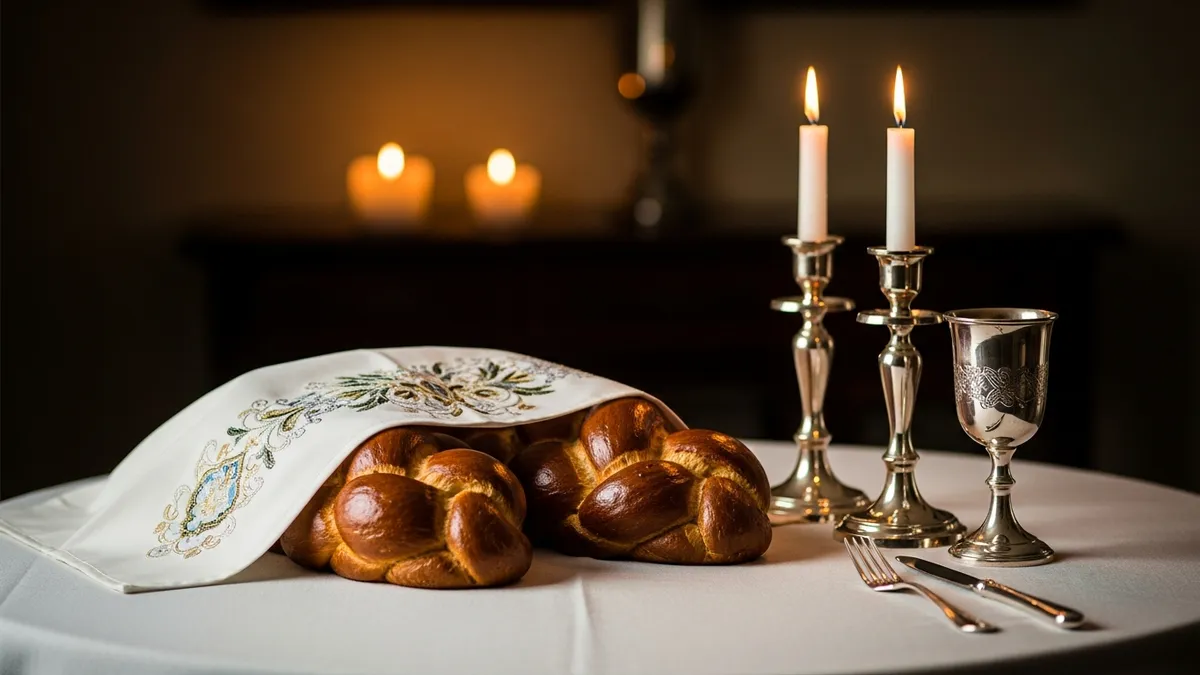
A day in the life of Shabbat — what Orthodox Jews actually do from Friday afternoon through Saturday night, from candle lighting to havdalah.
Quick Answer
Orthodox Jews spend Shabbat (Friday sunset to Saturday nightfall) in prayer, festive meals, Torah study, family time, and rest. They abstain from 39 categories of creative work including driving, using electronics, cooking, and writing. Three special meals are eaten, and the day ends with the havdalah ceremony separating Shabbat from the new week.
People always ask what we do on Shabbat without our phones. Honestly? We live. We talk to each other. We eat together. We rest. And by Saturday night, I feel more recharged than any vacation has ever made me feel.
Let me walk you through a typical Shabbat.
Friday Afternoon: The Rush
The scramble to get ready for Shabbat is legendary in Orthodox homes. Cooking, cleaning, setting the table, showering, getting the kids dressed — all with a hard deadline. Shabbat begins at sunset, but we add a cushion and light candles 18 minutes before — and from that moment, everything stops.
In my house, Friday afternoon is organized chaos. The cholent goes on the hot plate. The soup is warming. The challah is covered. The table is set with our nice dishes. Timers are set on the lights (since we cannot turn them on or off during Shabbat — the same reason elevator buttons are off-limits for us until Saturday night). Everything that needs electricity or fire is arranged in advance.
Candle Lighting
Before sunset — usually 18 minutes before, though it is 40 minutes in Jerusalem and the time varies by city — the women of the house light Shabbat candles. We light at least two candles (some add one for each child), cover our eyes, recite the blessing, and take a moment to pray silently. This is one of the most peaceful moments of my week. The house goes quiet. The rush is over. Shabbat has arrived.
Shabbat in Jerusalem has a quality all its own — the whole city seems to exhale at once, traffic thins to nothing, and a hush settles over entire neighborhoods. It's a big part of why spending Shabbos in Jerusalem, within walking distance of a shul and the Kotel, is on so many families' lists.
Friday Night
Synagogue: Men (and some women) attend Kabbalat Shabbat services — a beautiful service welcoming the Shabbat with psalms and the famous Lecha Dodi hymn, which personifies Shabbat as a bride.
Shalom Aleichem and Kiddush: At home, the family sings Shalom Aleichem (welcoming the Shabbat angels), the husband sings Eishet Chayil (Woman of Valor) to his wife, parents bless the children, and then kiddush is made over wine.
The meal: Friday night dinner is the centerpiece of the week. Challah is cut, soup is served, courses come out, and the table is alive with conversation, singing, and divrei Torah (words of Torah). Guests are common — many families host people every single week. Shabbat meals without guests feel incomplete to us.
In my family, dinner can last two hours. The food is good, but the conversation is better. No phones buzzing, no screens glowing. Just us.
Shabbat Morning
Synagogue: The Shabbat morning service includes the weekly Torah reading — the same portion read in every synagogue in the world that week. Services typically run from about 8:30 or 9:00 AM to noon, depending on the community.
The second meal: After synagogue, the family sits down for another festive meal — lunch, essentially. More kiddush, more challah, more food, more singing. The cholent (or chamin for Sephardim) — a slow-cooked stew that has been on the hot plate since Friday — is the star of the show.
Shabbat Afternoon
This is the quiet part of Shabbat. People nap (the Shabbat nap is sacred). People learn Torah — reading, studying with a partner, or attending a class. Kids play outside. Families take walks. Neighbors visit each other. Communities often have an afternoon shiur (class) or gathering.
Seudah shlishit (the third meal): Late in the afternoon, a lighter third meal is eaten. The mood is reflective — Shabbat is ending, and there is a bittersweet feeling of not wanting to let it go. Many communities sing slow, meditative songs during this meal.
Saturday Night: Havdalah
After three stars appear in the sky, Shabbat officially ends with the havdalah ceremony. We light a braided, multi-wicked candle, smell fragrant spices (to comfort the soul as the "extra soul" of Shabbat departs), and make a blessing over wine. The flame is extinguished in the wine, and just like that — the week begins again.
The phones come back on. The lights get flipped. The oven gets turned on for melaveh malkah (a post-Shabbat meal escorting the Shabbat Queen). And somewhere inside, you carry the peace of the last 25 hours into the new week.
That is Shabbat. Every single week. And I will tell you — I need it. Not because I am commanded to rest (though I am), but because in a world that never stops, Shabbat is the only thing that forces me to actually stop. And every week, I am grateful for it.
Common Questions
What does a typical Shabbat look like? Friday afternoon preparation, candle lighting before sunset, synagogue, three festive meals with family, Torah study, afternoon walks, visiting friends, and Havdalah ceremony Saturday night. No work, no electronics for 25 hours.
Is Shabbat boring without electronics? The opposite — most Orthodox Jews describe it as the most enjoyable day of their week. The absence of screens creates space for conversation, reading, family time, and genuine rest that is impossible to achieve otherwise.
What do children do on Shabbat? Play with friends, attend junior synagogue programs, eat special treats, play board games, read, and enjoy the family meals. Children in Orthodox neighborhoods play outside freely — the whole community is walking and socializing.
See also: Shabbat Observance
I'm an Orthodox Jewish woman from Brooklyn. I can't speak for every Orthodox Jew — when I write outside my experience, I say so.
Shabbat — The Jewish Day of Rest Explained
What Do Orthodox Jews Do on Shabbat?
Jewish Holidays: The Complete Jewish Calendar Guide
The Jewish High Holidays: Rosh Hashanah & Yom Kippur
Want to experience a Jewish holiday yourself?
Virtual Seders, Rosh Hashanah dinners, and Chanukah candle-lightings are open to non-Jewish guests.
The Orthodox Insider
A new letter every Thursday, before Shabbos — plus an instant download of “10 Things Everyone Gets Wrong About Orthodox Jews” when you subscribe.
No spam, unsubscribe anytime.