What Do Orthodox Jews Do on Shabbat?
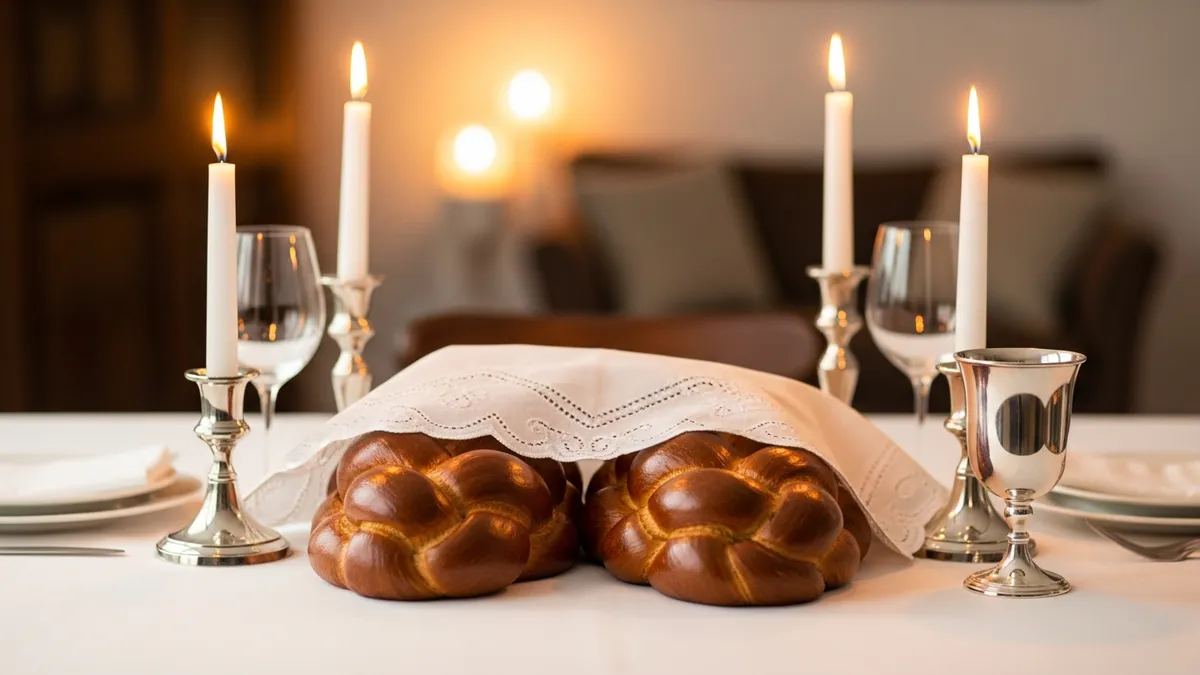
A complete guide to how Orthodox Jews spend Shabbat — from Friday night candles to Saturday night havdalah, including meals, prayer, rest, and family time.
Quick Answer
On Shabbat, Orthodox Jews attend synagogue, enjoy three festive meals with family, rest from work and technology, study Torah, take walks, and spend quality time together. It's a 25-hour weekly retreat that runs from Friday sundown to Saturday nightfall, centered on spiritual renewal.
What Do Orthodox Jews Do on Shabbat?
Shabbat is the crown jewel of the Jewish week. Every seven days, from sundown Friday to nightfall Saturday, Orthodox Jews step out of the workweek grind and into something completely different — a day of rest, connection, prayer, and seriously good food.
The direct answer: Orthodox Jews spend Shabbat attending synagogue, eating three festive meals, resting from creative labor and technology, studying Torah, connecting with family, and recharging spiritually. It's a structured but deeply enjoyable day that families look forward to all week.
Friday Afternoon: The Countdown
Shabbat preparation starts before Shabbat itself. Friday afternoons in an Orthodox home are organized chaos:
- Cooking: All cooking for Shabbat must be finished before Shabbat begins at sundown. This means Thursday night and Friday are cooking marathons — challah, soup, chicken, salads, kugel, dessert. Many families cook for 20+ people.
- Cleaning: The house gets cleaned, the table set with a white tablecloth, best dishes, and silver candlesticks.
- Personal preparation: Showers, dressing in Shabbat clothes (nicer than everyday wear), making sure everything is ready.
The urgency increases as candle-lighting time approaches. In winter, when Shabbat starts as early as 4:15 PM, the rush is intense. Summer gives more breathing room.
Friday Night
Candle-lighting: The woman of the house lights Shabbat candles (typically two, some light more) and says a blessing. This is one of the most beautiful moments of the Jewish week — everything stops, and Shabbat descends.
Synagogue: Men (and sometimes women) attend Friday night services (Kabbalat Shabbat and Maariv). The service welcomes Shabbat with psalms and the famous Lecha Dodi hymn.
The Friday night meal: This is the main event. The family gathers around the table. The father blesses the children. Kiddush is recited over wine. Hands are washed, and the two challahs are blessed and cut. Then course after course — fish, soup, a main course, side dishes, and dessert. Between courses: singing (zemiros), Torah discussion, family conversation.
A typical Friday night meal lasts one to three hours. It's the opposite of a quick dinner — it's intentionally slow, communal, and joyful.
Shabbat Morning
Synagogue services are longer on Shabbat morning — typically two to three hours. The Torah is read publicly, the rabbi gives a sermon (drasha), and the community prays together. After services, many synagogues host a kiddush — a spread of food, drinks, and socializing.
The Shabbat day meal: A second festive meal, often even more elaborate than Friday night. Cholent — a slow-cooked stew that's been simmering since Friday — is the classic Shabbat lunch dish. Many families host guests.
Shabbat Afternoon
This is unstructured time, and everyone fills it differently:
- Napping: The Shabbat nap is practically sacred. After a big meal, with no phone to check and no errands to run, sleep comes easily.
- Reading: Books, Jewish texts, magazines — but not electronic devices
- Walking: Many families take Shabbat walks through their neighborhood
- Visiting: Dropping in on friends and neighbors is a Shabbat tradition
- Torah study: Many people attend a class or study independently
- Playing: Kids play outside, board games come out, families spend time together
Seudah Shlishit (the third meal) happens in the late afternoon, usually a lighter meal with bread, salads, and fish.
Saturday Night: Havdalah
As three stars appear in the sky, Shabbat ends with the Havdalah ceremony — blessings over wine, fragrant spices (to comfort the soul as the extra "Shabbat soul" departs), and a braided candle. The candle is extinguished in wine, and the week begins again.
Many families mark the transition by checking phones, turning on lights, and re-entering the connected world — every switch and button that sat untouched since Friday (even the elevator button, which gets its own explanation) is suddenly back in play. There's always a moment of adjustment — Shabbat's peace doesn't let go easily.
What Makes It Special
I've been asked many times whether Shabbat feels restrictive. Honestly? It feels like the opposite. It's the one day where nothing is urgent, where I'm fully present with my family, where the world's noise disappears. My kids associate Shabbat with challah, singing, and having both parents completely available.
In a culture obsessed with productivity, Shabbat says: stop. You are enough. The world will continue without your input for one day. And it always does.
Want to learn more? Read our full guide on Shabbat observance or explore the 39 forbidden categories of work.
Common Questions
What can you do on Shabbat? Eat, pray, sleep, read, walk, talk, sing, play board games, visit friends, study Torah, and rest. The restrictions on work create space for everything that truly matters.
Do Orthodox Jews enjoy Shabbat? Overwhelmingly yes. Ask any Orthodox Jew and they will tell you Shabbat is the highlight of their week. The meals, the family time, the community, the absence of pressure — it is genuinely beloved.
Can you exercise on Shabbat? Walking is fine and encouraged. Running, gym workouts, and competitive sports are generally avoided as they are weekday activities. The widespread practice is to avoid swimming as well. Practices around a private pool vary, so a rabbi should be consulted.
I'm an Orthodox Jewish woman from Brooklyn. I can't speak for every Orthodox Jew — when I write outside my experience, I say so.
Shabbat — The Jewish Day of Rest Explained
The 39 Melachot: What Can't You Do on Shabbat?
Jewish Holidays: The Complete Jewish Calendar Guide
The Jewish High Holidays: Rosh Hashanah & Yom Kippur
Want to experience a Jewish holiday yourself?
Virtual Seders, Rosh Hashanah dinners, and Chanukah candle-lightings are open to non-Jewish guests.
The Orthodox Insider
A new letter every Thursday, before Shabbos — plus an instant download of “10 Things Everyone Gets Wrong About Orthodox Jews” when you subscribe.
No spam, unsubscribe anytime.