Why Do Some Jewish Women Shave Their Heads?
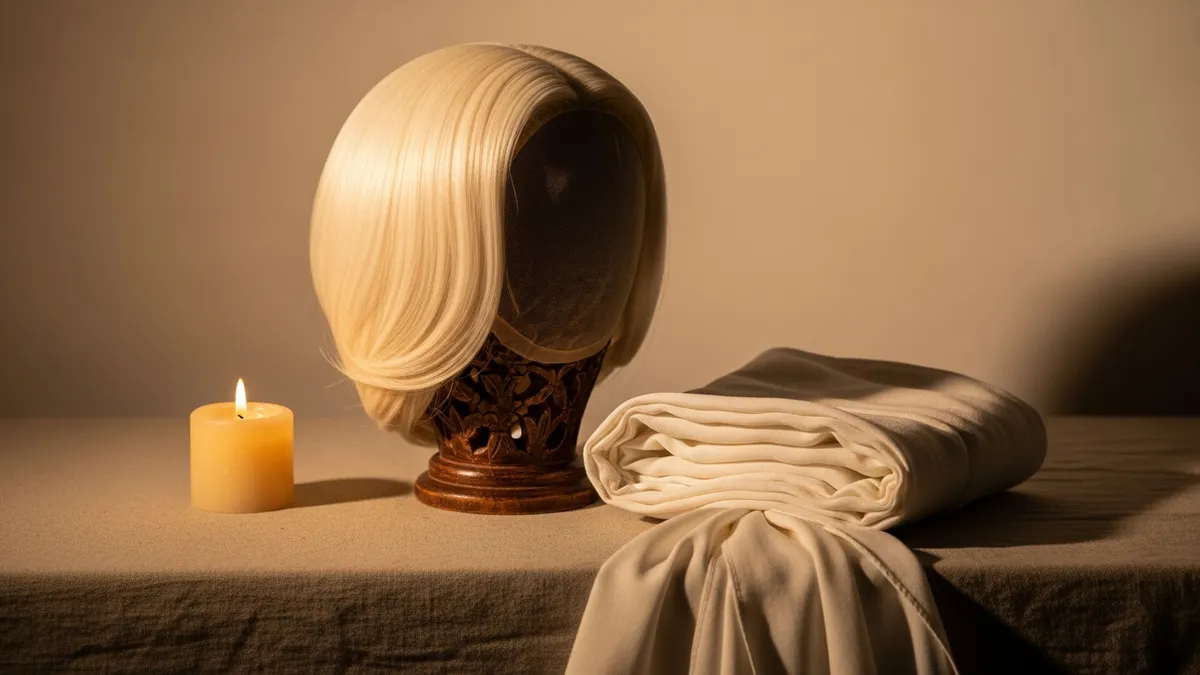
Some Hasidic Jewish women shave their heads after marriage, but most Orthodox women don't. Here's which communities do it and the real reason why.
Quick Answer
Head-shaving is practiced primarily by Satmar and some other Hungarian-origin Hasidic communities. It is NOT universal among Orthodox Jewish women. The practice ensures that no natural hair is visible, as these communities interpret the hair-covering obligation very strictly. Most Orthodox women — including Chabad, Modern Orthodox, Yeshivish, and Sephardic — do not shave their heads.
This question comes up constantly — usually after someone has watched a documentary, read an article, or heard it from a friend. And the answer people expect — that it is a universal Orthodox requirement — is wrong.
Who Does It
Head-shaving is practiced by some Hasidic women — specifically:
- Satmar (Williamsburg, Kiryas Joel) — most women shave
- Some Toldos Aharon, Toldos Avraham Yitzchok — related Hungarian-origin groups
- Some other Hungarian-origin Hasidic communities
That is a specific subset. The vast majority of Orthodox Jewish women — including Chabad, Litvish/Yeshivish, Modern Orthodox, Sephardic, and even many Hasidic groups — do not shave their heads.
One detail worth adding: in the communities that do this, the first shave traditionally takes place shortly after the wedding, and the hair is kept cropped from then on. The shaved head itself is never on display — it stays under a scarf or covering at all times, which is exactly the point of the practice.
Why They Do It
The Torah requires married women to cover their hair. The Talmud elaborates: a married woman's hair is considered ervah (intimate/private) and should not be visible to men other than her husband.
Communities that practice head-shaving interpret this in the strictest possible way: if the obligation is to cover all hair, the most certain way to comply is to have no hair to accidentally expose. A shaved head under a wig or headscarf eliminates any possibility of a stray strand being visible.
This is a stringency (chumra), not a base-level requirement. The halachic obligation is to cover the hair — not to remove it.
What Other Orthodox Women Do
| Community | Hair covering method | Shave? |
|---|---|---|
| Satmar / Hungarian Hasidic | Shaved head + tichel (headscarf) or short wig under hat | Yes |
| Chabad | Full sheitel (wig) that looks like natural hair | No |
| Yeshivish/Litvish | Sheitel, hat, or snood | No |
| Modern Orthodox | Hat, beret, headband, or partial sheitel | No |
| Sephardic Orthodox | Headscarf (mitpachat) or hat | No |
The Wig Paradox
Non-Jews often ask: "If the point is modesty, why would you cover your real hair with a wig that looks like real hair?"
Good question. Different communities answer it differently:
-
Chabad and some Litvish authorities permit (and encourage) attractive sheitels. The obligation is to cover your hair — what you cover it with can look however you want. A beautiful wig satisfies the law while allowing a woman to feel confident and attractive.
-
Satmar and some Hasidic authorities oppose sheitels entirely (or permit only obviously short, simple ones) precisely because of this logic — if a wig defeats the purpose by looking like real hair, then a headscarf is the correct covering.
This is one of the liveliest internal debates in Orthodox women's circles — I go deeper into it in why Orthodox Jewish women wear wigs. Both positions have serious halachic support.
What This Means for You
If you are a non-Jewish colleague, neighbor, or professional working with Orthodox Jewish women:
- Do not ask about their hair. Whether it is a wig, a scarf, or natural is private.
- Do not touch their head covering. Even casually or playfully.
- Do not assume all Orthodox women follow the same practice. The Satmar woman in a tichel and the Chabad woman in a flowing sheitel are both observing the same commandment in different ways.
- Wigs are not costumes. High-quality sheitels cost $2,000-$10,000 and are worn daily. They are personal items, not fashion accessories.
The practice — whether covering or shaving — is about a woman's relationship with modesty, her husband, and G-d. It is not about your opinion of it.
I'm an Orthodox Jewish woman from Brooklyn. I can't speak for every Orthodox Jew — when I write outside my experience, I say so.
Why Do Orthodox Jewish Women Cover Their Hair?
Why Do Orthodox Jews Wear Wigs — and What Is a Sheitel?
Orthodox Jewish Rules for Women: Modesty, Prayer, Daily Life
What Do Orthodox Jews Wear?
There's more where this came from.
Orthodox Jewish dress touches on modesty, community identity, and religious law. The full tour covers it all.
The Orthodox Insider
A new letter every Thursday, before Shabbos — plus an instant download of “10 Things Everyone Gets Wrong About Orthodox Jews” when you subscribe.
No spam, unsubscribe anytime.