Orthodox Jewish Neighborhoods in America: Where & Why
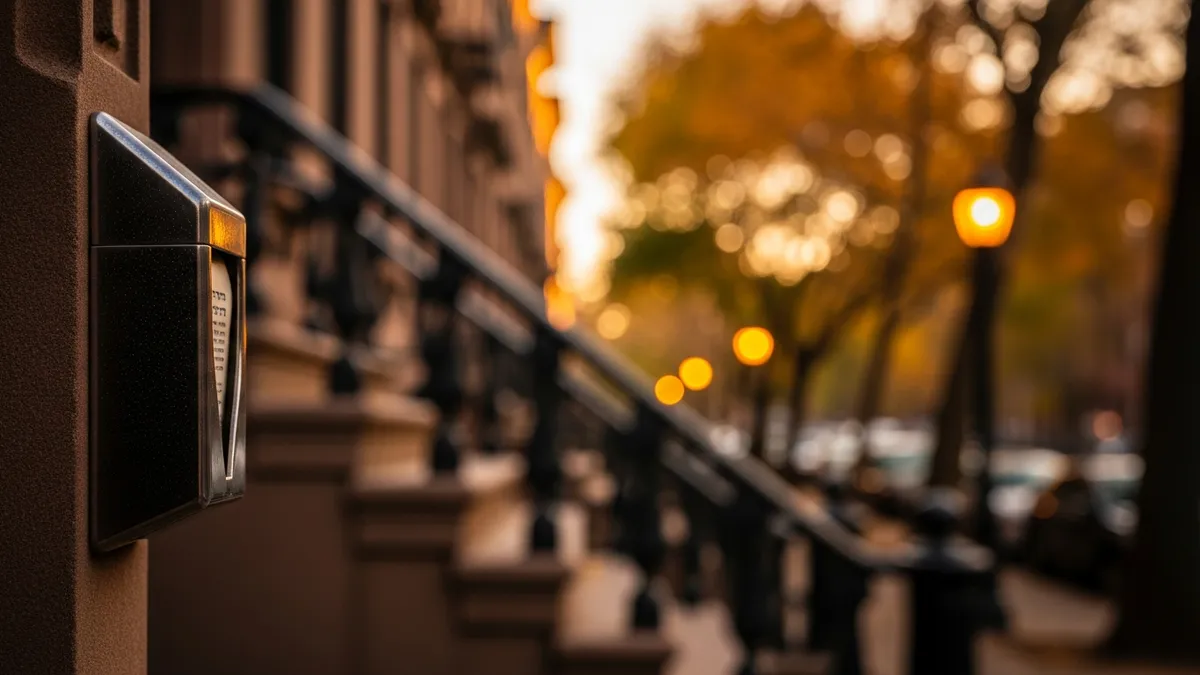
A guide to the major Orthodox Jewish communities in America — Brooklyn, Lakewood, Monsey, the Five Towns, Teaneck, and what makes each unique.
Quick Answer
The largest Orthodox Jewish communities in America are in the New York metro area: Brooklyn (Boro Park, Williamsburg, Crown Heights, Flatbush), Lakewood NJ, Monsey NY, and the Five Towns. Other major communities include Baltimore, Chicago, Los Angeles, Miami, and Detroit. Orthodox Jews cluster in neighborhoods with synagogues, kosher stores, Jewish schools, and mikvahs within walking distance.
If you have ever walked through Boro Park on a Friday afternoon, you know what I mean when I say an Orthodox neighborhood has a rhythm you can feel. The bakeries packed with people buying challah. The mothers pushing double strollers while talking on their phones (which will be off in two hours). The men hurrying home from work in their black hats. The butcher shops, the Judaica stores, the boys' yeshiva letting out. It is a world unto itself, and I love it.
Orthodox Jews live in clusters for a simple, practical reason: Orthodox life requires infrastructure that only works with density. You need a synagogue within walking distance (no driving on Shabbat). You need kosher grocery stores and butchers. You need Jewish schools. You need a mikvah. You need an eruv. And you need neighbors who understand your way of life.
The Major Communities
Brooklyn, New York
Brooklyn is the capital of American Orthodox Jewry. Several distinct neighborhoods, each with its own character:
Boro Park — The largest Hasidic neighborhood in America. Primarily Hasidic families from multiple sects (Bobov, Belz, Ger, Vizhnitz, and many others). Thirteenth Avenue is the commercial heart — kosher restaurants, clothing stores, Judaica shops, and bakeries line every block. Population: roughly 100,000 Orthodox Jews.
Williamsburg — Home to the Satmar Hasidic community, one of the largest and most insular. Yiddish is the primary language. Lee Avenue is the main commercial strip. The community runs its own bus system, social services, and school network.
Crown Heights — Headquarters of the Chabad-Lubavitch movement. The Rebbe's 770 Eastern Parkway is the spiritual center. A diverse neighborhood with a unique energy — Chabad's global outreach operation is headquartered here.
Flatbush — A mix of Modern Orthodox and Yeshivish families, plus a significant Syrian Sephardic community centered around Ocean Parkway. More diverse in religious level than Boro Park or Williamsburg.
Lakewood, New Jersey
Home to Beth Medrash Govoha, the largest yeshiva outside Israel with over 6,500 students. Lakewood has grown from a small yeshiva town into a full Orthodox city — with kosher supermarkets, dozens of synagogues, and a massive Jewish school system. The community is predominantly Yeshivish/Litvish.
Monsey, New York
A suburban Orthodox community in Rockland County with a mix of Hasidic and Yeshivish families. Popular with families who want more space than Brooklyn offers while staying within the New York Orthodox orbit. The nearby village of New Square is an entirely Skverer Hasidic town — one of the few fully self-contained Hasidic municipalities in America.
The Five Towns, Long Island
Cedarhurst, Woodmere, Hewlett, Lawrence, and Inwood — a primarily Modern Orthodox suburban community. Professional families, strong Jewish day schools, and a thriving kosher restaurant scene. Many residents commute to Manhattan for work.
Teaneck, New Jersey
The flagship Modern Orthodox community in America. Professional families, multiple synagogues representing different Modern Orthodox approaches, excellent Jewish day schools, and walkable neighborhoods. If you want to understand Modern Orthodox life in America, Teaneck is the place to see.
Other Major Communities
- Baltimore — A large, predominantly Yeshivish community (with a Modern Orthodox presence too) centered around Ner Yisroel (Ner Israel Rabbinical College)
- Chicago — Multiple Orthodox neighborhoods, including a large community in West Rogers Park
- Los Angeles — Pico-Robertson is the Orthodox hub, with Hasidic communities in the Fairfax district and La Brea area
- Miami — Growing Orthodox communities in North Miami Beach, Bal Harbour, and Surfside
- Detroit — Oak Park and Southfield have established Orthodox communities
Why These Neighborhoods?
The clustering is not about insularity — it is about infrastructure. Orthodox life requires:
- Walking distance to shul — No driving on Shabbat means the synagogue must be walkable
- Kosher food access — Grocery stores, butchers, bakeries, and restaurants
- Schools — Jewish day schools for children from ages 3 through 18
- Mikvah — Required for family purity observance
- Eruv — Allows carrying on Shabbat within the community boundary
- Community support — Gemachim, bikur cholim (visiting the sick), shiva support, and mutual aid networks
When enough Orthodox families are in one place, all of this becomes possible. When they are scattered, daily observance becomes exponentially harder.
Common Questions
Can non-Jews live in these neighborhoods? Yes. Orthodox neighborhoods are regular American neighborhoods — just with additional community infrastructure. Non-Jewish residents live alongside Orthodox families.
Are these neighborhoods safe? Generally yes. Residents tend to describe places like Boro Park and Lakewood as safe, with active Shomrim volunteer patrols, heavy foot traffic, and tight-knit blocks where neighbors look out for one another.
Is housing expensive? It varies. Brooklyn Orthodox neighborhoods have New York City prices. Lakewood is more affordable. The Five Towns and Teaneck are suburban price points. The Orthodox community's demand for walkable neighborhoods near synagogues does drive up local real estate prices.
Are there Orthodox communities outside the Northeast? Yes — and they are growing. Dallas, Phoenix, Atlanta, Denver, Seattle, and many other cities have Orthodox communities. Chabad has centers in virtually every city in America, providing infrastructure for Orthodox Jews wherever they live.
I'm an Orthodox Jewish woman from Brooklyn. I can't speak for every Orthodox Jew — when I write outside my experience, I say so.
Orthodox Jewish Neighborhoods: Brooklyn, Lakewood & Beyond
What Is a Hasidic Jew? An Insider's Guide to Hasidic Judaism
Modern Orthodox vs Ultra-Orthodox: How They Differ
What Is an Eruv? The Invisible Boundary Around Your Town
Partway in, or just curious?
If you're in an interfaith relationship, have Jewish ancestry, or are quietly exploring deeper engagement, there's a separate page for you.
The Orthodox Insider
A new letter every Thursday, before Shabbos — plus an instant download of “10 Things Everyone Gets Wrong About Orthodox Jews” when you subscribe.
No spam, unsubscribe anytime.